

If you’re pregnant and have a healed navel piercing, you don’t automatically have to give it up — but your relationship with it will change over the coming months. Here’s what actually happens as your body changes, when to switch jewelry, and what hospitals typically expect around delivery.
Can You Keep Your Belly Ring During Pregnancy?
If your piercing is fully healed, there’s generally no medical reason you have to remove it right away. Many people comfortably wear their usual jewelry through the first trimester and into the second without any issue. The consideration isn’t really about the piercing itself — it’s about how your changing shape interacts with a rigid piece of jewelry over time.
What Changes as Your Belly Grows

As your skin stretches, a standard rigid barbell can start tugging, pressing, or feeling generally uncomfortable, especially once your bump becomes more pronounced later in the second trimester. Most people notice this shift gradually rather than all at once — a ring that felt completely normal for months starts feeling tight or irritating over just a few weeks as growth accelerates.
Flexible Maternity Retainers
This is the standard solution, and it’s worth understanding before you need it rather than scrambling once your regular jewelry starts bothering you. A maternity or “pregnancy” belly ring is a flexible retainer, typically made from PTFE or bioplast, that bends and moves with your changing shape instead of fighting against it. Many are designed to be trimmed to your exact length as you grow, so a single piece can often see you through the rest of the pregnancy rather than needing to size up repeatedly.
PTFE is non-metallic, body-safe, and won’t trigger metal detectors, which is a small but genuinely convenient bonus during hospital visits later on. It’s worth asking your piercer for a quality retainer specifically, rather than buying the first inexpensive option you find online, since material quality varies more in this category than in standard jewelry.
If you already know you have sensitive skin, this is good news rather than a compromise — PTFE and bioplast are naturally hypoallergenic, since they contain no metal at all to react with. Our hypoallergenic materials guide covers how these compare to titanium and niobium if you want the fuller picture on metal-free options generally, not just for pregnancy.
When to Make the Switch
Most people switch to a flexible retainer sometime in the second trimester, once the bump has grown enough that regular jewelry starts to feel restrictive. There’s no fixed week that applies to everyone, since it depends entirely on your body and how quickly things change. The simplest guide is to switch as soon as your existing jewelry starts feeling tight, tugging, or leaving a mark, rather than waiting until it’s actively uncomfortable.
Some people switch earlier than expected simply for peace of mind, particularly if they’re prone to skin sensitivity or have had irritation issues before. There’s no downside to switching a little early — a flexible retainer isn’t uncomfortable on a smaller bump, it just isn’t strictly necessary yet. Waiting too long, on the other hand, risks the piercing feeling genuinely irritated before you get around to making the change.
Hospital and Delivery Considerations

According to Healthline’s overview of navel piercings during pregnancy, a belly button piercing generally doesn’t interfere with a vaginal delivery, but it can become relevant if a C-section becomes necessary, since hospitals commonly ask patients to remove metal jewelry before surgery due to burn and electrical risk from surgical equipment. Because emergency C-sections can happen even when a vaginal delivery was planned, many people pack a plan for this into their hospital bag — either removing the piercing before heading in, or making sure their flexible retainer contains no metal components at all.
It’s worth asking your care team ahead of time what their specific policy is, so you’re not making that decision in the moment. A quick conversation at a prenatal appointment is a lot less stressful than figuring it out during labor.
If you do need to remove the piercing entirely for surgery, it’s worth knowing that a fully healed piercing generally doesn’t close quickly, even over the relatively short window of a hospital stay. That said, bringing your own piece back in as soon as you reasonably can once you’re cleared to is still the safer approach, since piercings can start to tighten with extended time empty, even if they don’t fully close.
Standard Jewelry vs. Maternity Retainer
| Factor | Standard Barbell | Maternity Retainer |
|---|---|---|
| Flexibility | Rigid | Bends with your shape |
| Comfort as belly grows | Decreases over time | Stays comfortable |
| Metal content | Usually metal | Typically metal-free (PTFE) |
| Hospital-friendly | May need removal | Often fine to keep in |
What About Getting a New Piercing While Pregnant?
Most reputable piercers won’t perform a new navel piercing during pregnancy, and it’s generally not recommended even if you find one willing to. Skin changes, healing capacity, and infection risk are all affected by pregnancy in ways that make this a poor time to start a months-long healing process. If you’re considering your first belly ring, our guide to getting your first belly button piercing is worth saving for after you’ve given birth and your body has settled into its new normal.
After Birth: Returning to Regular Jewelry
Once you’ve delivered and your body has had time to settle, you can typically return to your regular jewelry, though it’s worth giving your skin a little patience rather than forcing a bar back in immediately. If your original piece no longer fits comfortably due to lasting changes in your shape, our belly ring size guide covers how to re-measure your gauge and length, and our guide to changing a belly ring walks through the swap itself.
Frequently Asked Questions
For most people, yes, as long as you switch to a flexible retainer once your regular jewelry starts feeling uncomfortable. There’s no medical requirement to remove it entirely unless your care team advises otherwise for a specific reason.
Generally no — a navel piercing doesn’t typically interfere with vaginal delivery. It’s more of a consideration specifically around C-sections.
It’s not recommended. Most reputable piercers will decline, since pregnancy affects healing and infection risk in ways that make this a poor time to start a new piercing.
PTFE or bioplast are the standard choices, since both are flexible, metal-free, and body-safe. Ask your piercer for a quality option rather than the cheapest one available.
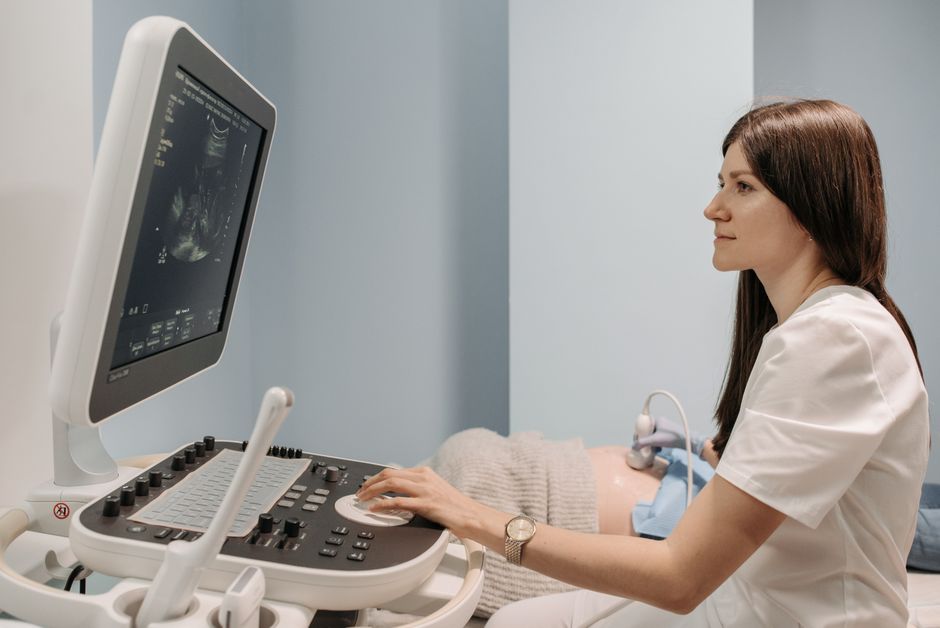
No, a navel piercing doesn’t interfere with ultrasound imaging and typically doesn’t need to be removed for routine prenatal appointments.
Final Thoughts
A navel piercing and a pregnancy aren’t incompatible — you’ll likely just need to swap to a flexible retainer at some point as your body changes, and have a plan in place in case a C-section becomes necessary. A quick conversation with your piercer and your care team ahead of time covers most of what you need to know.
Leave a Reply