

Belly button piercings reject more often than most other piercings, and it’s not because you did anything wrong. The navel sits on flat, movable skin rather than cartilage, which makes it more prone to your body slowly pushing the jewelry back out over time — a process called rejection or migration. Knowing the early signs makes the difference between catching it early and losing the piercing entirely.

What Rejection and Migration Actually Are
Migration is the jewelry gradually shifting position within the piercing channel. Rejection is the more advanced stage, where your body treats the jewelry as a foreign object it needs to push out entirely, thinning the tissue in front of it until the jewelry works its way to the surface. Migration doesn’t always lead to full rejection, but it’s the early warning stage worth catching.
What Causes It
Rejection usually comes down to a combination of factors rather than one single cause. Jewelry that’s too shallow, too thin, or the wrong shape for your anatomy puts uneven pressure on the tissue holding it in place. Constant friction from tight waistbands, belts, or clothing that repeatedly snags the jewelry adds mechanical stress on top of that. Material matters too — nickel-containing metals can trigger a reaction that makes rejection more likely, which is one more reason implant-grade titanium and niobium are the standard recommendation. Genetics also play a role that’s largely outside your control, since some people are simply more prone to it regardless of jewelry choice.
Early Warning Signs
- More metal showing than before. If the visible bar looks longer or the bottom ball sits closer to the top than it used to, the jewelry is migrating.
- Thinning skin over the jewelry. The skin covering the bar may look increasingly pale, thin, or shiny.
- Persistent soreness with no infection signs. Ongoing tenderness that isn’t explained by redness, warmth, or discharge can point to rejection rather than a normal healing stage.
- Increasing visible jewelry angle. A bar that used to sit flush and now tilts noticeably is a common early sign.
Rejection vs. Infection vs. Normal Healing
| Sign | Normal Healing | Rejection | Infection |
|---|---|---|---|
| Jewelry position | Stable | Gradually shifting toward the surface | Usually stable |
| Discharge | Clear or none | Usually none | Yellow or green |
| Redness | Mild, fades quickly | Skin over jewelry thins and pales | Spreading, worsening |
| Timeline | Steadily improves | Gradual, over weeks to months | Worsens over days |
According to Medical News Today’s overview of piercing rejection, the gradual, positional nature of rejection is what separates it from infection, which tends to develop and worsen more quickly and comes with the classic signs of spreading redness and discharge. If you’re seeing a slow shift in jewelry position over weeks rather than a rapid change over days, rejection is the more likely explanation.
Tracking Changes Over Time
Because migration happens gradually, it’s easy to miss until it’s fairly advanced. Taking a quick photo every week or two during healing, and comparing them side by side, makes small changes in jewelry position much easier to catch than relying on memory alone. It’s a small habit that costs nothing and can genuinely be the difference between catching migration early and losing the piercing.

Some people find it helpful to jot down a quick note alongside each photo — any new soreness, whether clothing has been rubbing against it, anything that changed that week. It doesn’t need to be detailed, just enough to spot a pattern if one develops.
What to Do If You Suspect Rejection
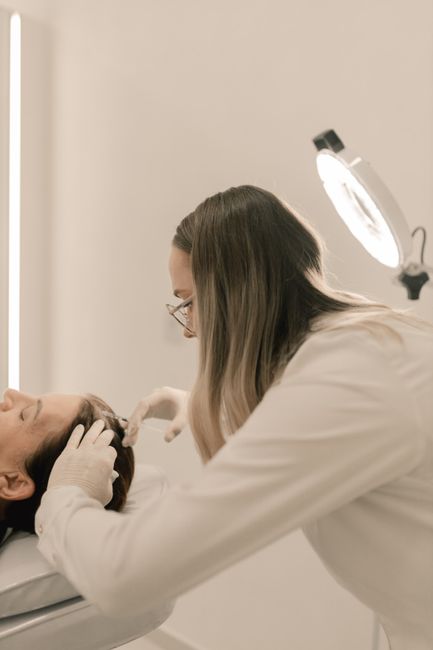
See a professional piercer or dermatologist rather than guessing on your own. They can tell you how advanced the migration is and whether switching to better-fitting jewelry might stabilize it, or whether it’s progressed too far and removal is the better option. Removing the jewelry yourself the moment you notice something is usually not the right first move — a professional assessment first gives you the best chance of saving the piercing if it’s salvageable.
If removal does turn out to be necessary, most piercings can be re-pierced later once the tissue has fully healed, though it’s worth addressing whatever contributed to the rejection — sizing, material, or a habit like tight waistbands — before trying again.
It’s worth mentioning that a full rejection, where the jewelry eventually pushes all the way out, often leaves a small scar behind. That’s a normal outcome rather than a sign anything went unusually wrong, and it typically fades over time the way most minor scars do. A visible scar isn’t a reason to avoid getting re-pierced later if you still want the piercing — it just means starting fresh with better-fitting jewelry and, if needed, slightly different placement to avoid the same tissue.
Choosing a Piercer Who Understands Rejection Risk
Not every studio pays equal attention to fit when placing initial jewelry, and it’s a fair thing to ask about directly. A piercer experienced with navel piercings specifically will typically size for your individual anatomy rather than reaching for a standard default length, and they should be comfortable answering questions about why they chose the gauge, length, and material they’re using. Our guide to getting your first belly button piercing covers what to look for in a reputable studio in more detail, including the sterilization and consultation standards worth expecting before you sit down.
Preventing Rejection From the Start
The two biggest levers you actually control are material and fit. Implant-grade titanium and niobium are the materials least likely to trigger the kind of reaction that speeds up rejection; our hypoallergenic materials guide covers why in more detail. Correct gauge and length matter just as much, since jewelry that’s too thin or doesn’t accommodate your anatomy puts unnecessary pressure on the healing tissue — our belly ring size guide covers how to get both right. Loose clothing and avoiding unnecessary handling round out the basics covered in our full aftercare guide.
Frequently Asked Questions
Sometimes, especially if caught early. Switching to better-fitting, higher-quality jewelry can stabilize mild migration, though more advanced rejection usually can’t be reversed.
It varies widely — anywhere from a few weeks to many months. It’s typically a slow, gradual process rather than something that happens suddenly.
Yes, generally. The navel’s flat, mobile skin and constant exposure to friction from clothing make it more prone to rejection than piercings through cartilage.
Material helps significantly but isn’t a complete guarantee, since fit, placement, and individual healing tendencies all play a role too. It’s the single most controllable factor, though.
Not as a first step. See a piercer or dermatologist first, since they can assess whether the piercing might still be saved before you take any action that can’t be undone.
Final Thoughts
Piercing rejection isn’t a reflection of doing something wrong — it’s a combination of anatomy, material, and fit that’s often only partly in your control. Catching it early, through simple habits like periodic photos and choosing quality materials from the start, gives you the best shot at keeping the piercing you wanted in the first place.
Leave a Reply