
Summer is when belly rings get the most actual wear — swimsuits, crop tops, and warm weather all put navel jewelry on display in a way winter clothing doesn’t. But sun, salt water, chlorine, and sand all affect jewelry and healing piercings differently than everyday indoor wear, so it’s worth adjusting your approach for the season rather than just reaching for whatever’s already in.
Can You Swim With Your Belly Ring?
If your piercing is fully healed, swimming is generally fine in any material that’s already safe for daily wear. If it’s still healing, the answer is more cautious: pools, lakes, and the ocean all introduce bacteria and irritants to a piercing that isn’t done forming its internal healing channel yet, and chlorine in particular can dry out and irritate skin that’s already sensitive from healing.
Most piercers recommend avoiding submersion entirely for at least the first few weeks, and treating natural bodies of water — lakes, rivers, the ocean — even more cautiously than a chlorinated pool, since bacteria levels tend to be less controlled. If you’re not sure where your piercing stands in the healing timeline, our belly piercing aftercare and healing guide covers what each stage actually looks like.
According to Healthline’s overview of navel piercing complications, irritation and infection risk both increase with anything that repeatedly introduces bacteria or friction to a piercing that hasn’t finished healing, and swimming checks both boxes at once. If a trip or pool season lands during your healing window, a waterproof bandage over the piercing for short, unavoidable exposure is a reasonable compromise — not a substitute for waiting, but better than nothing if a swim genuinely can’t be skipped.
Best Materials for Water Exposure
| Material | Water & Salt Resistance | Verdict |
|---|---|---|
| Implant-grade titanium | Excellent, doesn’t corrode | Best all-around choice for summer |
| Surgical steel | Very good | Safe, budget-friendly option |
| Solid gold (14k+) | Good, may need a rinse after | Fine, rinse with fresh water after swimming |
| Sterling silver | Tarnishes faster with salt/chlorine | Usable, but expect more frequent polishing |
| Gold-plated | Poor — plating wears fast | Avoid for regular swimming |
Chlorine and salt water are both harder on plated and softer metals than daily wear alone, so a piece you’re happy to swim in all summer is a good excuse to reach for titanium or steel rather than saving your nicer gold pieces for pool days. Our hypoallergenic materials guide covers these same materials in more depth if skin sensitivity is also a factor for you.
After the Water: A Quick Rinse Habit
Rinsing your piercing and jewelry with clean fresh water after swimming removes chlorine, salt, and sand residue before they have a chance to sit against your skin. It takes a few seconds and meaningfully cuts down on the irritation that builds up from a full day of pool-to-towel-to-pool cycles. If you’re still healing, follow that rinse with your normal saline routine rather than skipping it just because you already rinsed with fresh water.
Sunscreen is worth a mention too: apply it before your jewelry catches drips and buildup around the piercing, and wipe the area clean if sunscreen does get on it, since some formulas can irritate healing skin more than they would fully healed skin.
Styles That Actually Work for Summer
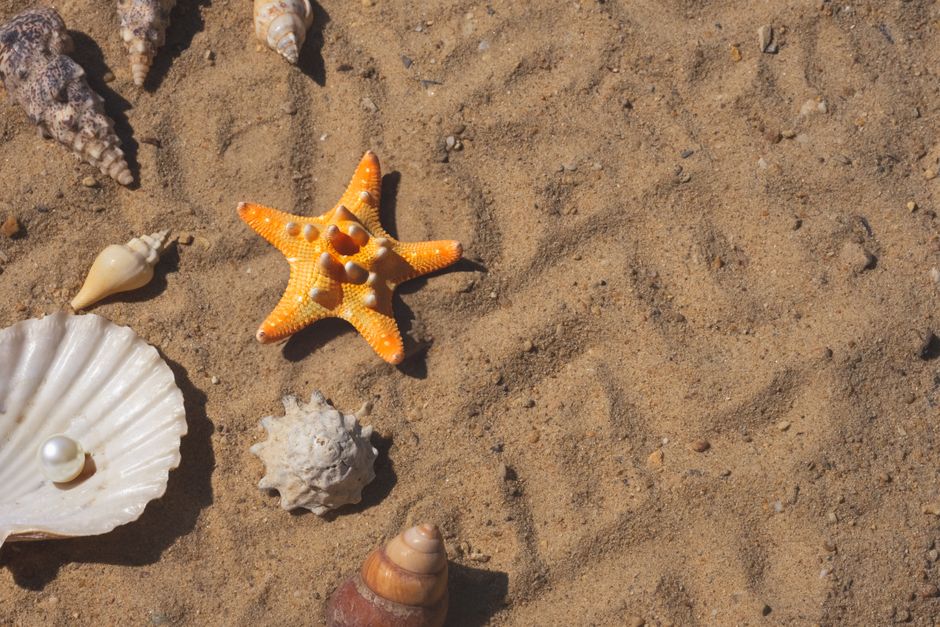
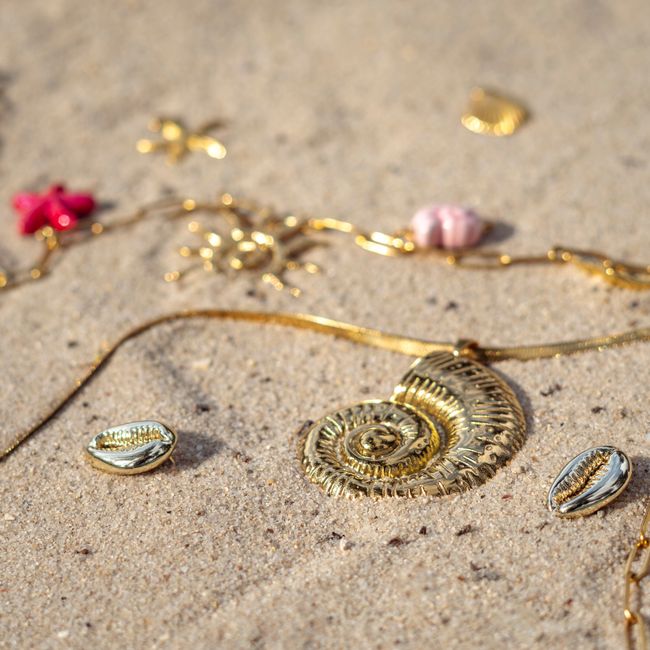
Dangle styles are having a real moment for warm-weather wear this year, and floating belly rings — which sit close to the skin with a small or flat base — hold up especially well through activity since there’s less hardware to catch or shift. Beach-themed charms (shells, starfish, small anchors) lean into the season without needing anything structurally different from your everyday jewelry. Our 2026 belly ring trends roundup covers floating styles and this year’s other popular directions in more detail.
Getting the Fit Right for Swimwear
High-waisted and high-cut swimwear sits differently against the navel than everyday clothing, and a piece that fits perfectly under jeans can occasionally catch on a waistband in a way it wouldn’t otherwise. If a specific swimsuit consistently tugs at your jewelry, it’s usually a length issue rather than something wrong with the piercing itself. Our belly ring size guide covers how to check your gauge and length if you want to rule that out before assuming it’s just an uncomfortable suit.
Sun Exposure and Tan Lines
Jewelry blocks sun the same way anything else on your skin does, so it’s worth knowing that a piece worn in the same position all summer can leave a faint pale outline once you tan around it. It’s harmless and fades like any other tan line, but if you’d rather avoid it, rotating between a couple of different styles through the season keeps the sun exposure a little more even. Sunscreen actually helps here too — consistent SPF around the piercing reduces contrast between the covered and exposed skin either way.
Packing for a Trip? Bring a Backup
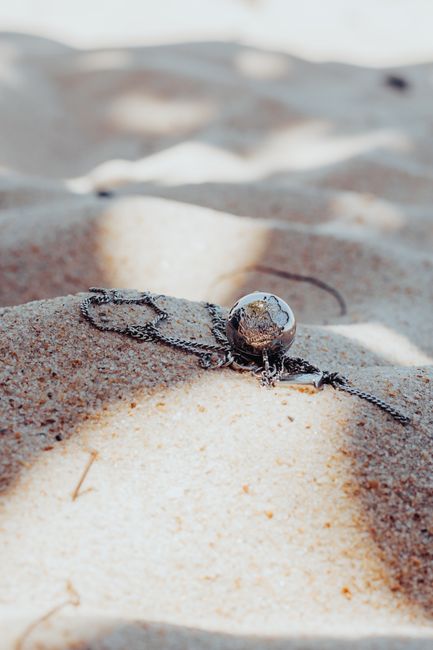
Losing a ball or a whole piece in open water is more common than people expect — a loose closure, a wave, and it’s gone. If you’re traveling somewhere you’ll be swimming regularly, packing a simple backup barbell in a safe material is a small step that saves you from either an empty piercing or an improvised fix with whatever’s available locally. It doesn’t need to be fancy; a plain titanium piece in your normal gauge and length covers the situation.
Humidity and temperature swings during travel don’t meaningfully affect most jewelry materials, so there’s no special storage requirement beyond keeping pieces somewhere they won’t get lost loose in a bag. A small zippered pouch or the original box works fine.
Frequently Asked Questions
Most piercers recommend waiting at least several weeks, and ideally until the piercing is substantially healed, before regular swimming. Natural bodies of water carry more infection risk than a chlorinated pool during this window.
It can, particularly on plated pieces and sterling silver, which tarnish or wear faster with repeated chlorine exposure. Titanium and surgical steel hold up much better.
No, there’s generally no need to remove healed jewelry for swimming, as long as it’s a water-safe material and you rinse it afterward as part of your normal routine.
Yes, ocean water contains more bacteria than a treated pool, which is why it’s typically the water type piercers are most cautious about for a still-healing piercing.
Implant-grade titanium is the most forgiving choice across salt water, chlorine, and sun exposure, without the tarnishing or plating wear that affects softer metals.
Final Thoughts
Summer doesn’t require a completely different approach to your belly ring — it just rewards a little more attention to material and a quick rinse habit after time in the water. Stick to titanium or steel for anything you’ll be swimming in regularly, respect the healing timeline if your piercing is still new, and the rest of the season is just an excuse to actually wear the jewelry you’ve been collecting.
Leave a Reply