🚚 FREE SHIPPING ON ORDERS OVER $50 15% OFF YOUR FIRST ORDER | Use Code: BELLY15 🎁 WORLDWIDE SHIPPING

Category: Jewelry Tips

  • Curved Barbell vs. Captive Bead Ring: Which Belly Ring Style Is Right for You?

    Curved Barbell vs. Captive Bead Ring: Which Belly Ring Style Is Right for You?

    Almost every belly ring on the market is one of two basic mechanisms underneath the design: a curved barbell or a captive bead ring. The charm, the color, the gemstone — all of that sits on top of whichever base you choose, so it’s worth understanding the difference before it becomes a factor in comfort or healing rather than just looks.
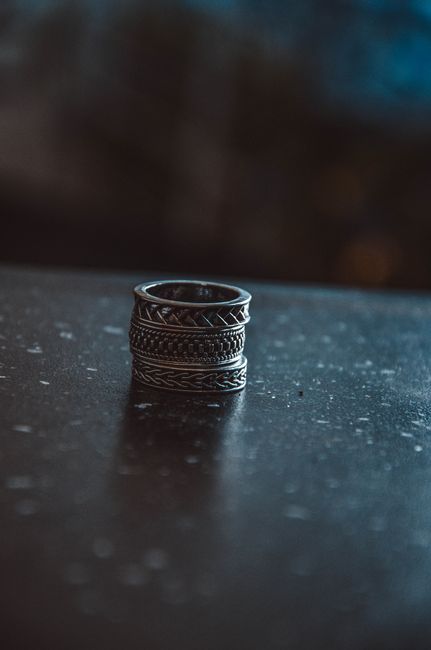
    Detailed shot of intricate silver rings stacked on a dark table

    Curved Barbell: How It Works

    A curved barbell is a slightly bent bar with a ball, charm, or gem fixed on each end — one end fixed, the other threaded or push-fit so it can be removed. The curve follows the natural shape of the navel, which is the main reason it’s the standard jewelry style for this piercing. It moves with the body instead of fighting it.

    Pros

    • Comfortable enough for genuinely all-day wear, including sleep for most people once healed
    • Easy to insert and remove yourself once you know the sequence
    • By far the most common style, so jewelry options are extensive
    • The style piercers use for virtually all initial navel piercings

    Cons

    • Slightly less minimalist in profile than a plain ring
    • Charm placement is fixed relative to the bar, with less freedom to reposition than a ring style offers

    Captive Bead Ring: How It Works
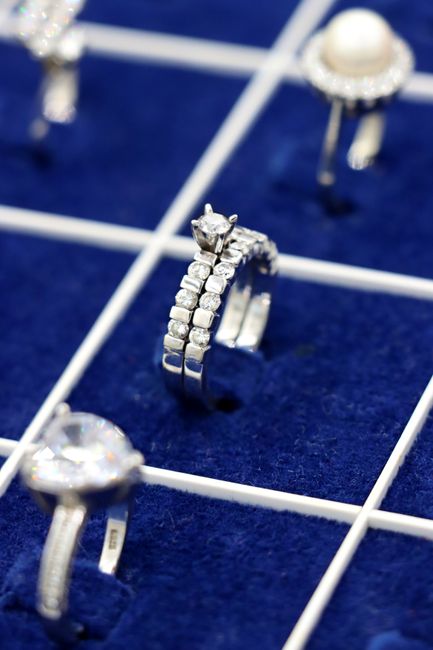
    Close-up of silver rings on a velvet display grid

    A captive bead ring (CBR) is a continuous circular hoop with a small gap, held closed by a single bead under spring tension. There’s no threading involved — the ring’s own tension is what keeps the bead seated in place once it’s pressed in.

    Pros

    • Sleek, minimalist profile with a slightly edgier look than a barbell
    • Less common than curved barbells, so it stands out more as a style choice
    • Once seated correctly, the bead isn’t going anywhere on its own

    Cons

    • Considerably harder to open, close, and reseat yourself without practice or the right tool
    • Not typically recommended for a fresh navel piercing, since the flatter profile handles the area’s natural movement and swelling less predictably than a curved barbell
    • A poor fit is more likely to catch on clothing given the fully circular shape

    Side-by-Side Comparison

    Factor Curved Barbell Captive Bead Ring
    Comfort for daily wear Excellent — follows body movement Good once healed, less forgiving early on
    Ease of changing yourself Easy Harder — often needs ring-opening pliers
    Suitable for a new piercing Yes — the standard choice Generally not recommended until healed
    Style variety available Extensive More limited, more distinctive
    Overall look Classic, versatile Minimalist, slightly edgier

    Material Matters More Than the Mechanism
    Person making jewelry with pliers and beads on a wooden table

    Whichever style you land on, the material it’s made from affects your skin far more than whether it’s a bar or a ring. Both curved barbells and captive bead rings come in the same range of metals — implant-grade titanium, niobium, surgical steel, and solid gold among them — so choosing the style you like doesn’t lock you into a specific material. If you’ve had irritation from jewelry before, our hypoallergenic materials guide applies equally to both mechanisms and is worth checking before you commit to either style in a new metal.

    The one place mechanism and material interact is CBRs specifically: because the bead relies on the ring’s own spring tension rather than a threaded closure, a softer metal is slightly more prone to losing its shape over repeated opening and closing. Implant-grade titanium and quality surgical steel hold their tension noticeably better over time than softer gold alloys in a ring that gets opened and closed often.

    Why Curved Barbells Are the Default for New Piercings
    Jeweler shaping a silver ring with a mandrel tool

    A fresh navel piercing swells and shifts more than most piercing sites during the first weeks of healing, and a curved barbell’s shape tolerates that movement without putting uneven pressure on the piercing channel. This is part of why virtually every reputable piercer starts new clients with one rather than a ring style. According to the Association of Professional Piercers’ guidance on initial jewelry, jewelry choice for a new piercing should prioritize what accommodates swelling and healing safely over style preferences, which is exactly the case curved barbells make so well here. Our guide to getting your first belly button piercing covers what that initial jewelry looks like and why the length is longer than what you’ll likely settle into later.

    Gauge and length work the same way regardless of which style you eventually choose, so it’s worth getting comfortable with those numbers early. Our belly ring size guide breaks down exactly how gauge and length are measured and what’s standard for a healed navel piercing.

    When a Captive Bead Ring Might Make Sense
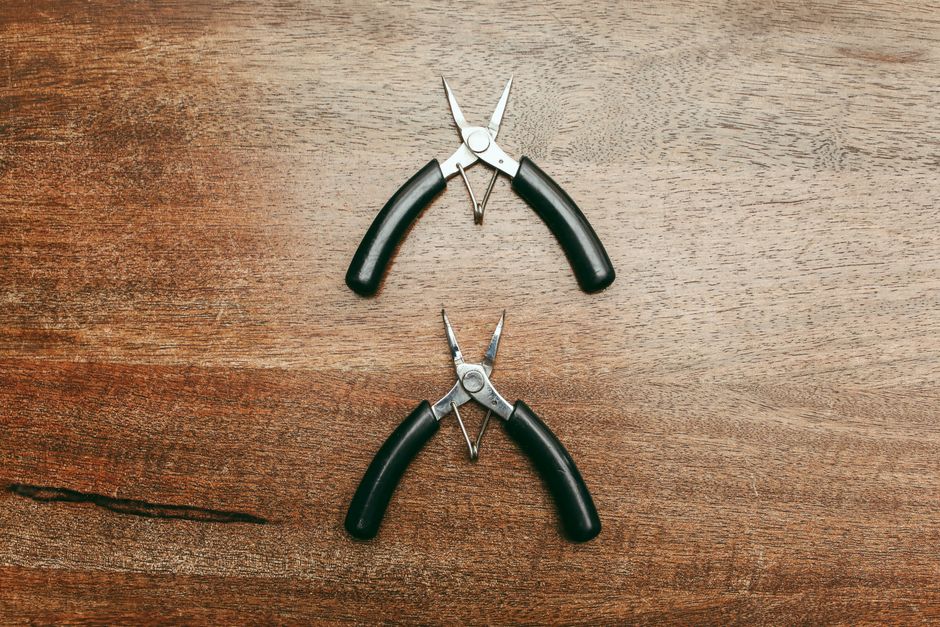
    Close-up of needle-nose pliers used for jewelry work

    Once a piercing is fully healed — typically six to twelve months in — a CBR becomes a reasonable style option if the minimalist look appeals to you more than a barbell’s classic silhouette. Just budget for the fact that changing it yourself is genuinely harder; our guide to changing a belly ring covers barbells step by step, and a CBR adds an extra layer of difficulty on top of that since you’re working against the ring’s own tension rather than a simple screw or push-fit closure. A small pair of ring-opening pliers makes a real difference here if you plan to wear CBRs regularly.

    Other Styles Worth Knowing About
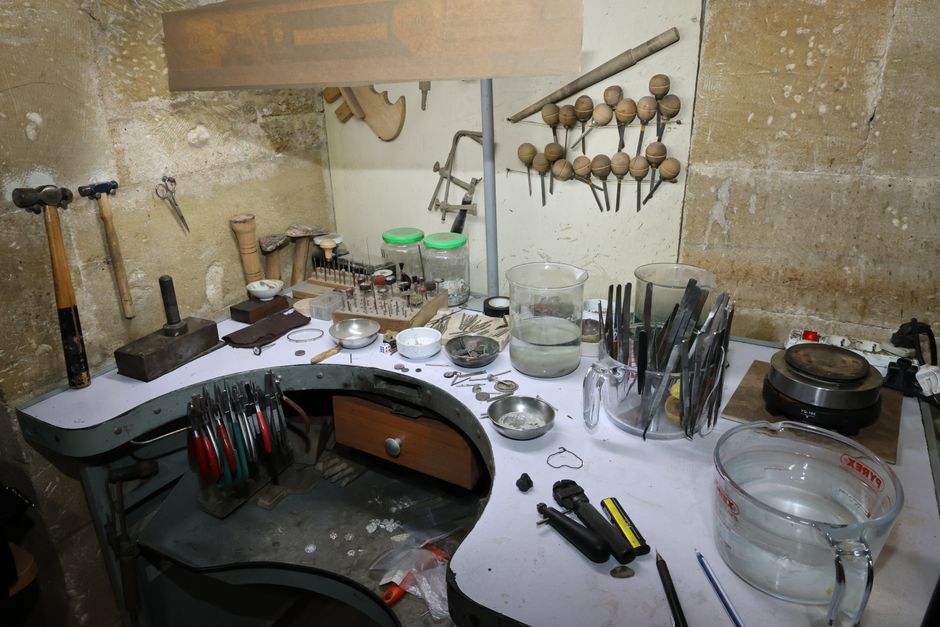
    Tools and equipment in a jewelry maker workshop

    Curved barbells and CBRs cover the vast majority of belly rings, but a few variations are worth knowing. Reverse curved barbells flip the bend the opposite direction for a slightly different sit. Segment rings work similarly to CBRs but use a removable segment instead of a bead, which some people find easier to handle. Floating and inverted styles — both trending this year — are really just curved barbells with a different base length and orientation rather than a mechanically different piece. Our 2026 belly ring trends roundup covers those styles in more depth if you want to explore beyond the two core mechanisms.
    Jeweler using a file on metal in an artisan workshop

    Frequently Asked Questions

    Can I switch from a curved barbell to a captive bead ring myself?

    Yes, once your piercing is fully healed and the gauge matches. Just expect the CBR to take more effort to open and reseat correctly than a barbell does.

    Is one style objectively better than the other?

    Not universally — curved barbells win on comfort, ease of changing, and healing safety, while CBRs win on minimalist style and standing out. Most people end up owning both for different occasions.

    Why did my piercer use a curved barbell instead of a ring for my piercing?

    This is standard practice for navel piercings specifically, because the area moves and swells more than piercings like the ear or nose, and a curved barbell tolerates that far better during healing.

    Do I need special tools to change a captive bead ring?

    Not strictly, but a small pair of ring-opening pliers makes it significantly easier and reduces the risk of dropping the bead or straining your fingers trying to pry it open by hand.

    Can a captive bead ring get stuck or fall out unexpectedly?

    A properly sized, correctly seated CBR is secure and won’t fall out on its own. Issues generally only come up if the bead was never fully seated or the ring has been stretched out of shape over time.

    Does the material affect how easy a CBR is to open and close?

    Yes — firmer metals like titanium and surgical steel hold their tension better through repeated use than softer gold alloys, which can gradually lose the tight fit that keeps the bead properly seated.

    Final Thoughts

    For a new piercing, the choice isn’t really a choice — a curved barbell is the right call, and most piercers won’t offer a CBR as a starting option regardless. Once you’re fully healed, it genuinely comes down to which look you want that day: the classic, comfortable versatility of a barbell, or the sleek, slightly harder-to-manage minimalism of a ring.
  • Belly Ring Gift Guide: How to Choose Without Guessing Wrong

    Belly Ring Gift Guide: How to Choose Without Guessing Wrong

    Belly rings make a genuinely good gift — small, personal, and easy to get excited about opening — but they trip people up for one specific reason: you’re buying jewelry for a body part you can’t casually glance at to judge size or style. The good news is that a few smart defaults solve almost the entire problem.

    Luxury jewelry displayed on stylish gift boxes

    Solving the Size Problem Before You Buy

    This is the part that stops most gift-givers before they start, and it’s simpler than it looks. The vast majority of navel piercings are 14 gauge, so gauge is rarely a real risk. Length is the trickier variable, but 3/8″ (10mm) fits the majority of healed piercings, which makes it the safest default if you can’t ask directly. Our belly ring size guide breaks down exactly how gauge and length work if you want the fuller picture before deciding.

    If you genuinely can’t get a size confirmed and want zero risk, a gift card or store credit lets them pick their own fit without spoiling the surprise of a wrapped gift under the tree or on a special day — not the most exciting option, but a completely safe one.

    Gift Ideas by Budget

    Budget Good Options Best For
    Under $25 Simple surgical steel or titanium barbell, small single-charm design Casual gifts, stocking stuffers, “just because” moments
    $25–$50 Gemstone or crystal-accent dangle, mixed-metal design Birthdays, thoughtful everyday gifts
    $50+ 14k gold piece, detailed charm work, statement design Anniversaries, milestone birthdays, occasions that call for something more considered

    Gold or Silver: Does It Matter for a Gift?

    A gift box with a satin ribbon

    If you know their existing jewelry leans one way — mostly gold pieces, or mostly silver — matching that is almost always the safer choice than picking your own favorite. People tend to be more particular about metal tone than about style details, since it’s the thing that either blends with everything else they wear or visibly clashes with it.

    If you genuinely don’t know, our gold vs. silver belly ring comparison is a quick read that covers how each metal wears over time, which is useful context even if you’re buying rather than wearing. As a general rule, warmer skin tones tend to lean toward gold and cooler tones toward silver, though this is a loose guideline rather than a rule worth overthinking for a gift.
    Best for Everyday Wear

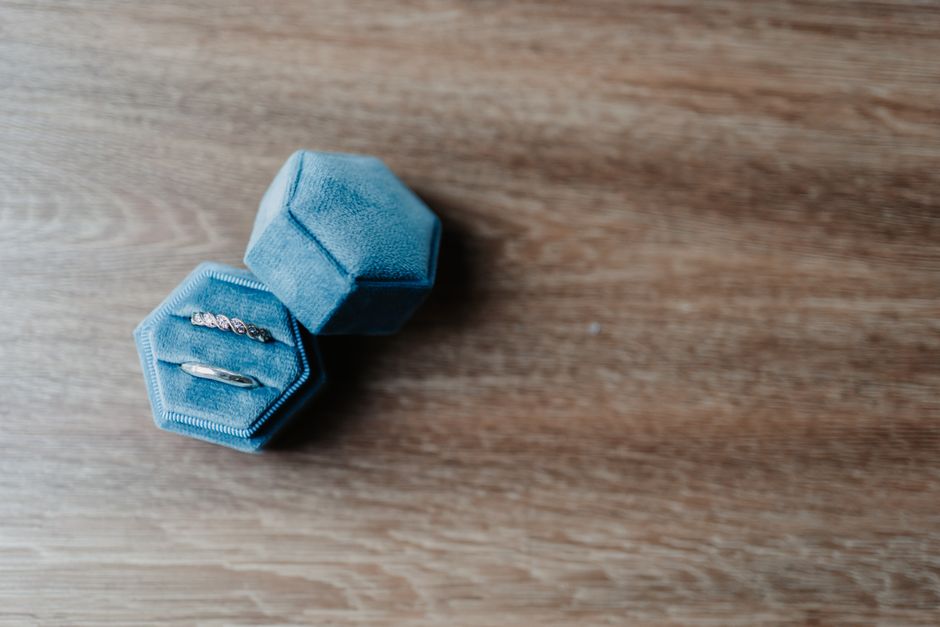
    Close-up of rings in a blue velvet jewelry box on a wooden surface

    If they wear their current belly ring most days, a clean, minimalist curved barbell in a finish that matches what they already wear is a safe, well-loved choice. This is also where material matters most, since daily wear means daily skin contact. Implant-grade titanium and niobium are the safest bets if you’re not certain about their sensitivities, and our hypoallergenic materials guide is worth a quick read if they’ve ever mentioned irritation from jewelry before.

    Best for a Special Occasion

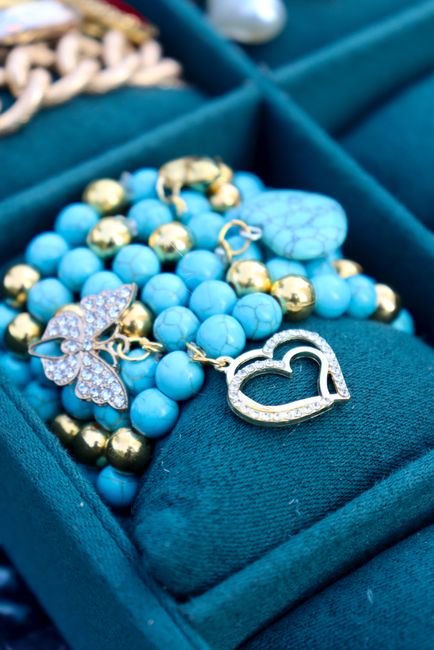
    Close-up of turquoise and gold jewelry with a heart charm in a velvet box

    For a milestone or a genuinely special gift, this is the moment to go a step beyond a plain barbell. A gemstone dangle, a heart or floral charm, or a piece with real detail work reads as considered rather than last-minute. If you want something that feels current, our 2026 belly ring trends roundup covers what’s genuinely popular right now, from opal accents to intentionally mixed metals.

    Presentation Matters More Than You’d Think

    Elegant open velvet jewelry box

    Body jewelry should stay in its original sealed packaging until the recipient is ready to wear it, so keep the sterile packaging intact and simply wrap the outer box rather than removing anything to “improve” the presentation. A small jewelry box, a bit of tissue paper, and a ribbon go a long way, and it keeps the piece exactly as sterile and untouched as when it arrived.

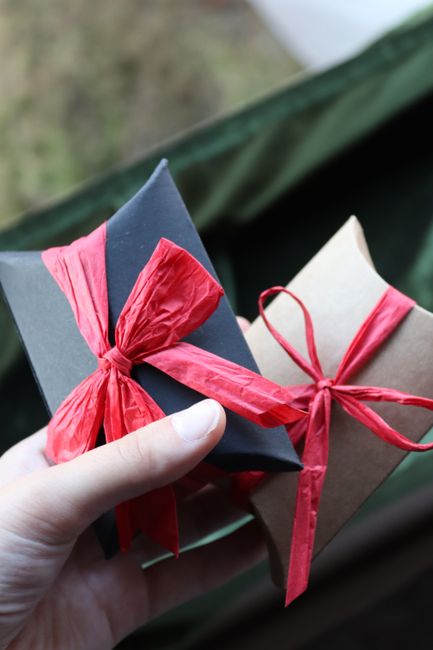
    Hand holding two gift boxes wrapped with ribbons

    A short handwritten note about why you picked that specific piece — the color, the charm, the style — tends to matter more to the recipient than the price tag. It also signals that you actually thought about them rather than grabbing whatever was first in the shop.

    What Not to Gift

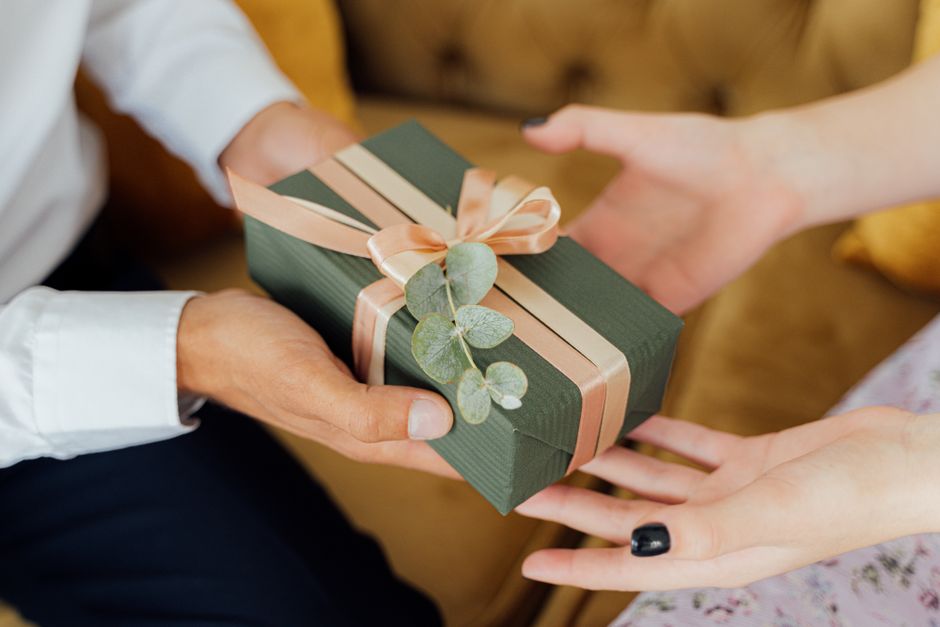
    Two hands exchanging an elegantly wrapped gift box with ribbons

    The piercing itself isn’t a gift you can give on someone else’s behalf. According to the Association of Professional Piercers, getting pierced is a personal decision that should always be made and consented to by the person receiving it, so a gift certificate to a reputable studio is a thoughtful way to offer the experience without booking an appointment for them. It respects their choice about their own body while still making the gesture.

    Similarly, skip anything you’re not confident is genuinely hypoallergenic if you know they have sensitive skin, and avoid extremely long or heavy pieces as a first gift for someone you’re not sure has an existing collection — those are easier choices to make once you know more about their taste.

    Matching the Gift to the Occasion

    Not every occasion calls for the same level of statement. A “just because” gift or a small stocking-stuffer moment is exactly where a simple, inexpensive barbell earns its keep — it doesn’t need to compete with anything, it just needs to be a nice surprise. Birthdays sit comfortably in the middle: something with a bit of personality, like a gemstone or a small charm tied to their interests, tends to land well without needing to be the most expensive item you’ve ever bought them.

    Anniversaries and milestone birthdays are where it’s worth spending more time on the details — a solid gold piece, a design with real craftsmanship, or something that ties back to a shared memory or their current style, rather than defaulting to whatever’s easiest. The goal at that level isn’t just “nice jewelry,” it’s a piece that feels specifically chosen for them.

    Frequently Asked Questions

    What if I don’t know their exact gauge or length at all?

    A standard 14 gauge, 3/8″ barbell fits the majority of healed piercings safely. If you want zero guesswork, a gift card lets them choose their own fit.

    Is gold or silver the safer gift choice?

    Both are good defaults, though higher-karat gold tends to be gentler on sensitive skin. If you know they have a favorite metal from their existing jewelry, matching that is usually the better call than guessing.
    Can I get a belly ring re-sized or exchanged if it doesn’t fit?

    Most retailers offer exchanges on unworn, still-sealed jewelry, so keep the receipt and avoid opening the sterile packaging until the recipient is ready to try it.

    Is it okay to gift a belly ring to someone who isn’t pierced yet?

    It’s a nice gesture, but pair it with a gift certificate to a piercing studio rather than assuming they want to get pierced — that decision should always be theirs to make.

    What’s the single safest gift if I know nothing about their preferences?

    A simple titanium or 14k gold curved barbell in a classic silhouette is the closest thing to a universally safe choice — understated enough to suit most styles and safe enough for most skin types.

    Should I ask them directly what they want, or is that too obvious?

    For jewelry that touches the body, asking is genuinely the better move rather than a letdown. A quick, casual question about their favorite metal or style still leaves plenty of room for surprise in which specific piece you choose, while removing almost all the guesswork around fit and material.

    Final Thoughts

    The best belly ring gifts aren’t necessarily the most expensive ones — they’re the ones that show you paid attention to fit, material, and their actual style. Stick to safe defaults where you’re uncertain, save the statement pieces for when you know more, and let the presentation do a little of the work too.

  • Getting Your First Belly Button Piercing: What to Actually Expect

    Getting Your First Belly Button Piercing: What to Actually Expect

    Getting your first belly button piercing involves a lot more upfront research than most people expect, mostly because the internet is full of conflicting advice about pain, healing time, and jewelry. Here’s the version that actually matters: what a reputable piercing appointment looks like, what to expect physically, and what happens in the weeks after — without the exaggeration in either direction.

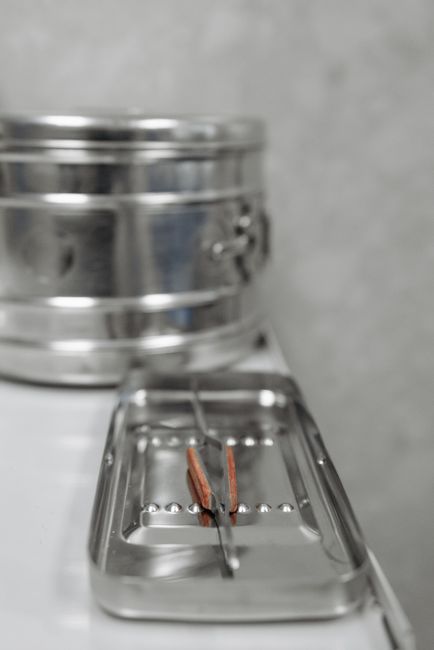
    Close-up of sterile medical instruments arranged on a tray

    Finding a Reputable Piercer

    The single biggest factor in how your piercing heals isn’t your aftercare routine — it’s who does the piercing. A good studio will happily answer questions about sterilization before you’re anywhere near the piercing chair, and won’t get defensive if you ask to see their setup.
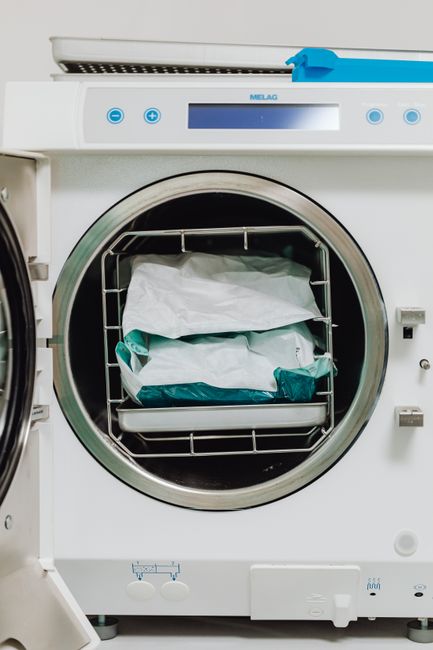
    Medical sterilizer machine with sealed sterilized packages

    Look for a studio that uses a single-use, sterile needle (not a piercing gun, which can’t be properly sterilized and crushes tissue rather than making a clean puncture), an autoclave for sterilizing reusable tools, and jewelry that’s pre-packaged and sterile until it’s opened in front of you. A licensed piercer should also be comfortable discussing their experience level with navel piercings specifically, since anatomy varies enough that it’s not identical to piercing an ear or nose.

    What Actually Happens During the Piercing

    Close-up of a sterile syringe on a clinical tray

    The appointment itself is short. Your piercer will clean the area, mark the exact placement with a sterile pen for your approval, then use a hollow needle to create the piercing in a single motion before threading the jewelry through immediately behind it. The whole process, start to finish, usually takes under five minutes once the placement is marked and approved.

    How Much Does It Actually Hurt?

    Woman smiling at her reflection in a mirror

    Most people describe it as a sharp pinch followed by a dull pressure, lasting only a few seconds, rather than a sustained pain. It’s more sensation than most ear piercings but less than people expect going in, largely because anticipation tends to be worse than the actual moment. Some mild soreness, tenderness to touch, and light swelling for the first few days afterward is completely normal.

    What Should It Cost?

    Pricing varies by region and studio, but a navel piercing typically runs somewhere between $30 and $80 for the piercing service itself, with jewelry sometimes included and sometimes priced separately depending on the studio. Treat an unusually low price as a reason to ask more questions rather than a reason to book immediately — sterilization equipment, single-use needles, and quality starter jewelry all cost the studio money, and a price far below the local average is sometimes a sign that corners are being cut somewhere in that chain.

    It’s also worth asking whether aftercare products or a follow-up check-in are included, since some studios build that into the price while others charge separately or leave you to source your own saline.

    Your First Piece of Jewelry

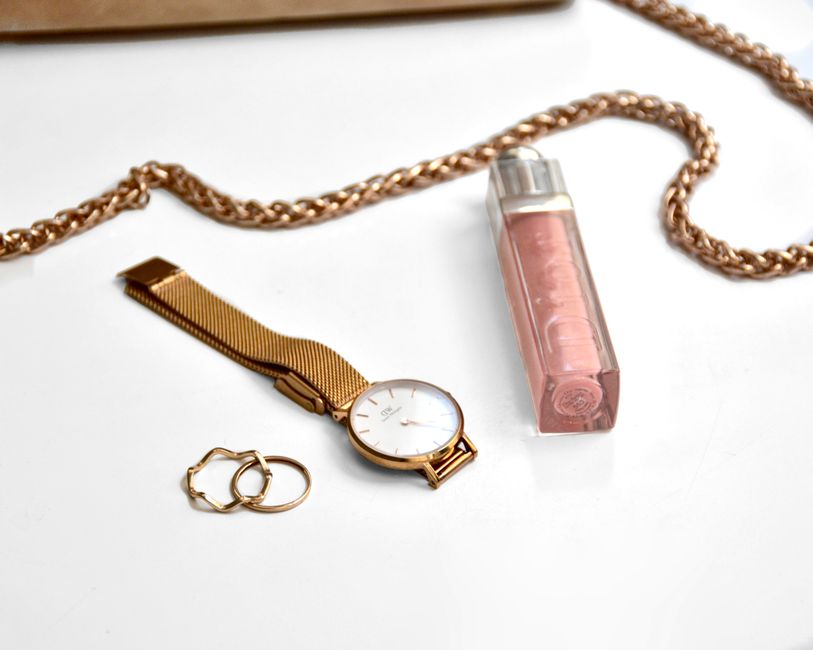
    Flat lay of gold wristwatch, rings, and chain on a white surface

    Your piercer will almost certainly use a 14 gauge curved barbell at 7/16″ length — longer than the 3/8″ you’ll likely settle into once healed — to leave room for initial swelling. Our belly ring size guide covers exactly how gauge and length work if you want to understand the numbers before your appointment rather than after.
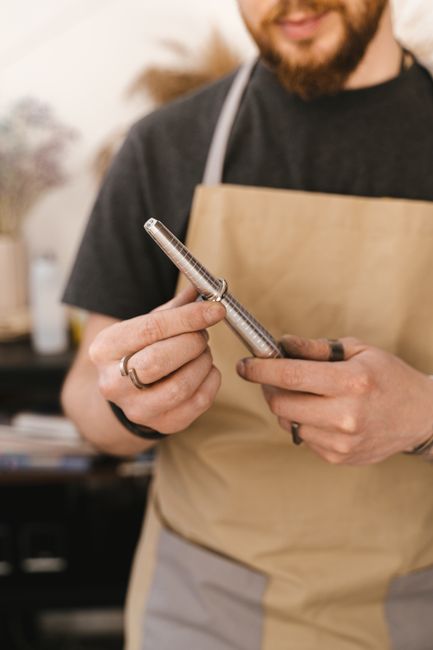
    Material matters just as much as size for a first piercing. Implant-grade titanium or niobium are the safest starting choices, since a new piercing is more reactive than a healed one and this isn’t the moment to test a metal you’re unsure about. If you already know you have sensitive skin, our guide to hypoallergenic materials is worth reading before you’re sitting in the chair, not after.

    What to Expect in the First Few Weeks

    Blue-gloved hand handling surgical tools in a medical setting

    Surface healing — where the outer skin looks closed and normal — typically happens within six to eight weeks. Full internal healing takes considerably longer, commonly six to twelve months, which is why piercers consistently push back against changing jewelry early even once things look fine on the surface. Our full belly piercing aftercare and healing timeline guide walks through the cleaning routine and healing stages in detail.

    Detailed view of denim jeans with a metal buckle and zipper

    Clothing matters more than people expect during this stretch. A navel piercing sits exactly where waistbands sit, so loose, low-rise, or soft-waisted clothing for the first several weeks makes a real difference in avoiding irritation from constant rubbing or pressure. It’s a small adjustment, but skipping it is one of the more common ways healing gets needlessly prolonged.

    Normal Healing vs. Warning Signs

    Symptom Normal Healing Worth a Doctor’s Visit
    Redness Mild, right at the piercing, fades over days Spreading outward or not improving after 3+ days
    Discharge Clear or slightly white, small amount Thick yellow or green pus
    Pain Mild, easing within the first week Increasing after the first week, or throbbing
    Swelling Slight, mostly gone within a few days Warm to the touch, or paired with fever

    According to Cleveland Clinic’s overview of piercing infections, genuine infections involve symptoms that get worse rather than better over time, which is the key distinction from normal healing irritation that gradually improves on its own. If anything in the right-hand column applies to you, it’s worth a same-week conversation with your piercer or a doctor rather than waiting to see if it resolves.

    When You Can Finally Change It

    Once you’ve hit that six-to-twelve-month healing mark and things genuinely feel normal — no tenderness, no discharge, jewelry moves freely without resistance — you’re clear to explore new styles. Our guide to changing a belly ring covers the actual swap process step by step, and our 2026 belly ring trends roundup is a good place to start if you’re ready for something more current than your original starter jewelry. If you’re also deciding between jewelry styles, our curved barbell vs. captive bead ring comparison explains why your piercer started you on a barbell and when a ring style becomes an option.

    Frequently Asked Questions

    How long does a belly button piercing appointment actually take?

    The piercing itself takes only a few minutes once placement is marked and approved. Including consultation and paperwork, most first appointments run 15 to 30 minutes total.

    Can I switch to a piercing gun if I’m nervous about needles?

    No reputable piercer will use a gun for a navel piercing. Needles allow for a cleaner, more precise puncture and can be properly sterilized, while guns can’t be sterilized between uses and cause more tissue trauma.

    Is it normal for my belly ring to look crooked right after piercing?

    Some initial asymmetry from swelling is normal and often settles as swelling goes down. If it still looks off once healing is complete, it’s worth having your piercer take a look rather than assuming it will self-correct.

    Do I need to buy my own jewelry for the initial piercing?

    No — reputable studios include appropriate starter jewelry as part of the piercing itself, sized and chosen for a fresh piercing. Buying your own jewelry is worth doing once you’re ready to size down after healing.

    What’s the most common reason first-time piercings don’t heal well?

    Changing jewelry too early is the most common issue, followed closely by wearing tight waistbands that constantly irritate the area during the first several weeks.

    Should I take my new piercing out if it’s bothering me?

    Generally no, especially early on. Removing jewelry from an unhealed piercing can let the opening start closing within hours, which then traps whatever was causing the irritation inside a partially sealed channel. It’s almost always better to address the actual cause — a snagging waistband, an allergic reaction, an infection — than to remove the jewelry and hope the piercing waits for you.

    Final Thoughts

    A first belly button piercing is far more routine than the more dramatic stories online suggest, as long as it’s done by a reputable piercer with proper sterile technique. Ask questions before you sit down, expect a quick pinch rather than lasting pain, and give the healing timeline the patience it actually needs — the rest tends to take care of itself.

  • Belly Ring Trends 2026: What’s Actually In Style This Year

    Belly Ring Trends 2026: What’s Actually In Style This Year

    Belly ring style moves in slower cycles than most jewelry, which is exactly why it’s worth paying attention when something genuinely shifts. This year’s trends aren’t about replacing your whole collection — they’re mostly about how pieces are worn, mixed, and finished, which makes them easy to adopt with just one or two new additions.

    Elegant display of gold jewelry on a wooden tray

    Floating and Inverted Styles Are Having a Moment

    The biggest shift in navel jewelry this year isn’t a material or a color — it’s placement. Floating belly rings use a curved barbell with a small, flat, or nearly invisible bottom base, so the visible charm appears to sit on the skin with no hardware showing beneath it. Inverted rings flip the usual layout, hanging a charm down from above the navel instead of up from below, for a look that reads more editorial than classic.

    Neither style requires a new piercing or unusual anatomy — they’re both achieved with standard curved barbells cut to sit differently, which is part of why they’ve spread so quickly. If you already know your gauge and length, trying a floating style is usually just a matter of picking the right bar rather than starting over.

    Opal Everything

    Detailed close-up of a vibrant mineral with iridescent blue and gold textures

    Opal’s soft, shifting glow has moved from an occasional accent stone to the default choice for a lot of new belly ring designs this year. It reads as more mystical and less matched than a clear crystal, and it pairs naturally with both gold and silver settings, which is part of why it shows up so often alongside this year’s other big trend below.

    Mixed Metals, Worn Confidently

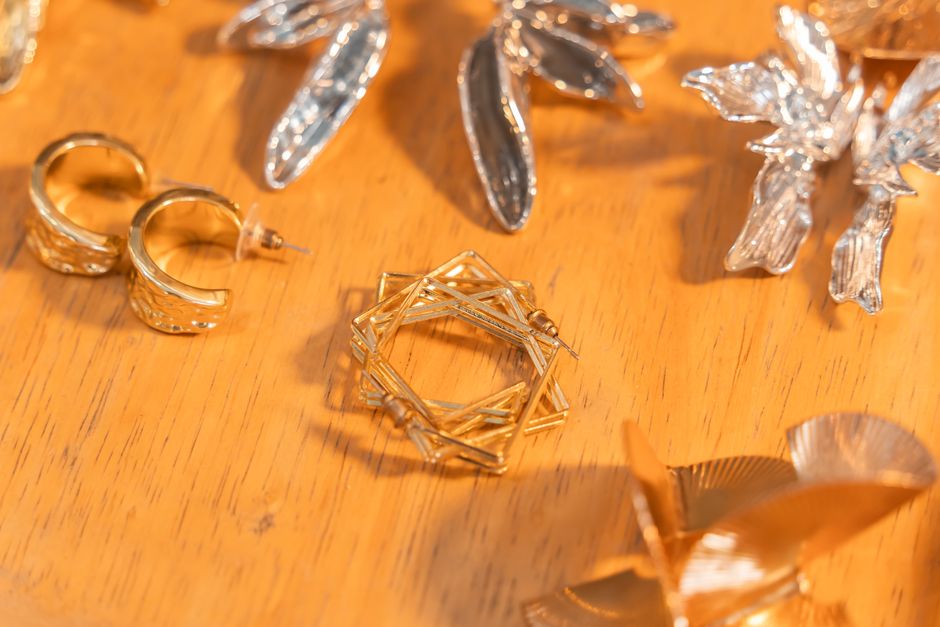
    Close-up of elegant gold and silver earrings side by side

    Combining gold and silver on the same body used to be considered a styling mistake. That rule has quietly disappeared. Fashion editors now treat intentional metal-mixing as more current than matching everything to a single tone, and belly rings are an easy, low-commitment place to try it — a silver ring one day, a gold one the next, without needing either to match your other jewelry.

    If you’re deciding between the two metals for a first purchase, our gold vs. silver belly ring comparison is worth reading before you commit, since the honest answer this year is that you don’t have to choose just one.

    Luxury-Inspired Details

    Crystal embellishments, gold-plated finishes, and designer-inspired charm work are all trending toward looking more considered and less mass-produced, even at accessible price points. The shift is less about spending more and more about choosing pieces with actual detail — a hand-set stone or a sculpted charm instead of a flat, stamped shape.

    It’s worth checking the finish before buying into this trend specifically, since “gold-plated” and “gold-filled” aren’t the same thing and wear very differently over months of daily contact. A thicker plating or a gold-filled base holds up noticeably longer against sweat, lotion, and regular cleaning than the thinnest cosmetic plating, even when both look identical in a product photo.

    Bold Geometric Shapes

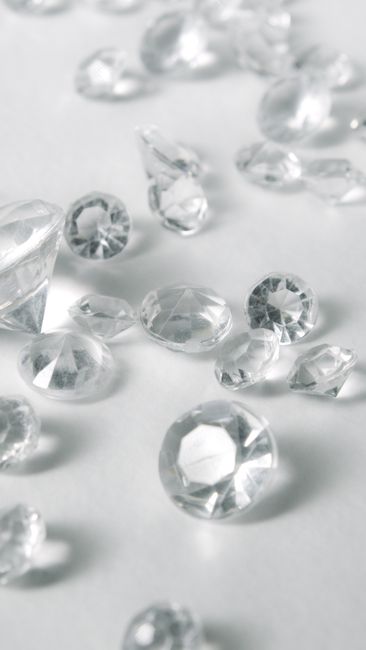
    Close-up of clear-cut gemstones showcasing their sparkle and clarity

    Triangles, hexagons, and abstract cutout shapes are replacing some of the rounder, more traditional charm silhouettes that have dominated navel jewelry for years. It’s a small design change, but it noticeably changes how a piece photographs and catches light, which is likely why it’s spread so quickly through style-forward pieces first.

    Vibrant Gemstones

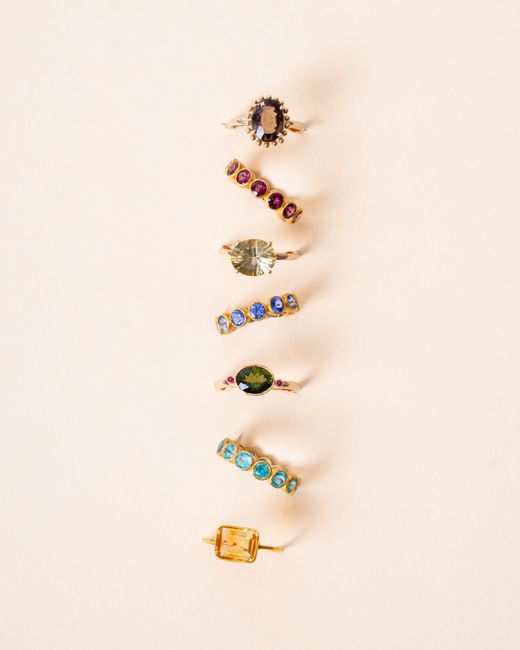
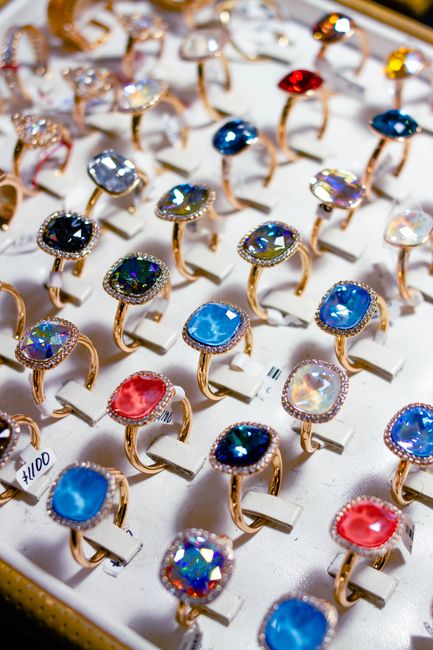
    Collection of gold rings featuring diverse colorful gemstones

    Deep emerald green, sapphire blue, and ruby red are showing up far more often than the all-clear, all-neutral palettes that dominated the last several years. According to Forbes’s coverage of this year’s defining jewelry trends, color has become jewelry’s main personality play in 2026, with fashion editors favoring statement gemstones over the neutral-diamond default of past seasons — and that shift has clearly reached navel jewelry too.

    Boho-Chic and Handcrafted Pieces

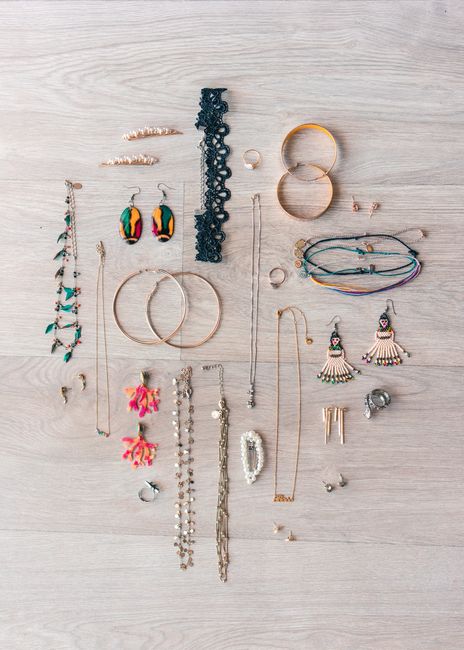
    Various elegant jewelry pieces arranged in a boho flat lay style

    Belly chains, hand-finished charms, and customizable pieces are trending alongside the more polished, luxury-leaning styles above — proof that this year’s trends aren’t one single aesthetic, but a few parallel directions people are mixing based on personal style rather than picking just one.

    This is also where a lot of the mixed-metal and colored-gemstone trends actually overlap in practice. A handcrafted piece rarely sticks to a single rulebook, so it’s common to see a boho-style charm that also happens to combine two metals or an unconventional stone, rather than treating each trend above as a separate, isolated category to shop for.

    Comfort Materials Are Finally Trending Too

    Bioflex and bioplast — flexible, metal-free materials that bend slightly with movement — are getting more attention as an everyday-wear option, not just a healing-stage necessity. They’re especially popular for sports, yoga, or daily wear where a rigid metal bar can dig in, and they double as a practical option if you already know metal isn’t your skin’s friend. Our guide to hypoallergenic belly ring materials covers how these compare to titanium and niobium if sensitivity is part of your decision.

    2026 Trends at a Glance

    Trend What It Looks Like Easiest Way to Try It
    Floating & inverted styles Charm appears to float, or hangs from above Swap in a floating-base curved barbell
    Opal everything Soft, iridescent glow One opal charm as an everyday piece
    Mixed metals Gold and silver worn together, unmatched Rotate metals day to day, no need to match
    Bold geometric shapes Triangles, hexagons, abstract cutouts One statement charm instead of a round classic
    Vibrant gemstones Emerald, sapphire, ruby tones Add one color piece to a neutral rotation
    Bioflex & comfort materials Flexible, metal-free bars Swap in for workouts or sensitive-skin days

    How to Try These Trends Without Overhauling Your Collection

    Vibrant collection of gemstone rings showcasing assorted colors

    You don’t need to replace everything you already own to feel current. The lowest-effort entry points are usually a single opal or colored-gemstone charm, one mismatched metal piece worn alongside what you already have, or a bioflex bar kept on hand for gym days. From there, it’s worth knowing how to swap jewelry properly so trying new styles doesn’t turn into an accidental irritation from rushing the change.

    If you’re building out a small rotation rather than a single piece, browsing a full belly button ring collection with materials and finishes listed per style makes it much easier to mix trends deliberately instead of buying whatever’s in front of you.

    Frequently Asked Questions

    Do I need a new piercing to try a floating belly ring style?

    No. Floating and inverted looks use the same standard piercing, just with a different curved barbell shape and length than a traditional dangle style.

    Is mixing gold and silver actually considered stylish now, or just a trend?

    Fashion editors have shifted firmly toward calling intentional metal-mixing more current than perfectly matched metals, and it’s shown no signs of being a short-lived phase so far this year.

    Are bioflex belly rings as durable as metal ones?

    They’re more flexible by design rather than more fragile, and they hold up well to daily wear, though they’re generally chosen for comfort and skin sensitivity rather than as a permanent metal replacement.

    What’s the easiest single trend to try first?

    A single opal or colored-gemstone charm is the lowest-commitment option, since it works with jewelry you probably already own and doesn’t require any change in gauge, length, or metal.

    Will these trends still be relevant next year?

    Placement trends like floating styles and material shifts like bioflex tend to have staying power since they’re about comfort and versatility, not just decoration. Color and shape trends move a little faster, so those are the easiest to update seasonally.

    Final Thoughts

    This year’s belly ring trends lean toward personalization — mixed metals, unexpected placements, and colored stones all point toward wearing what feels distinctive rather than what matches a single “correct” look. Pick one or two elements that suit your existing style, and you’ll be wearing 2026’s trends without needing to start your collection over.

    Shopping for someone else who’d love to try one of these trends? Our belly ring gift guide covers how to buy a trend-forward piece as a gift without guessing wrong on size or style.

  • Hypoallergenic Belly Rings: A Guide for Sensitive Skin

    Hypoallergenic Belly Rings: A Guide for Sensitive Skin

    If a new belly ring has ever left your skin red, itchy, or irritated around the piercing, the jewelry itself is usually the culprit — not your skin, and not something you did wrong with aftercare. Nickel is by far the most common cause, and it hides in more body jewelry than you’d expect, even in pieces marketed as “stainless.”

    Here’s what actually matters when you’re shopping with sensitive skin in mind, and how to tell a genuinely hypoallergenic piece from one that just says it is.

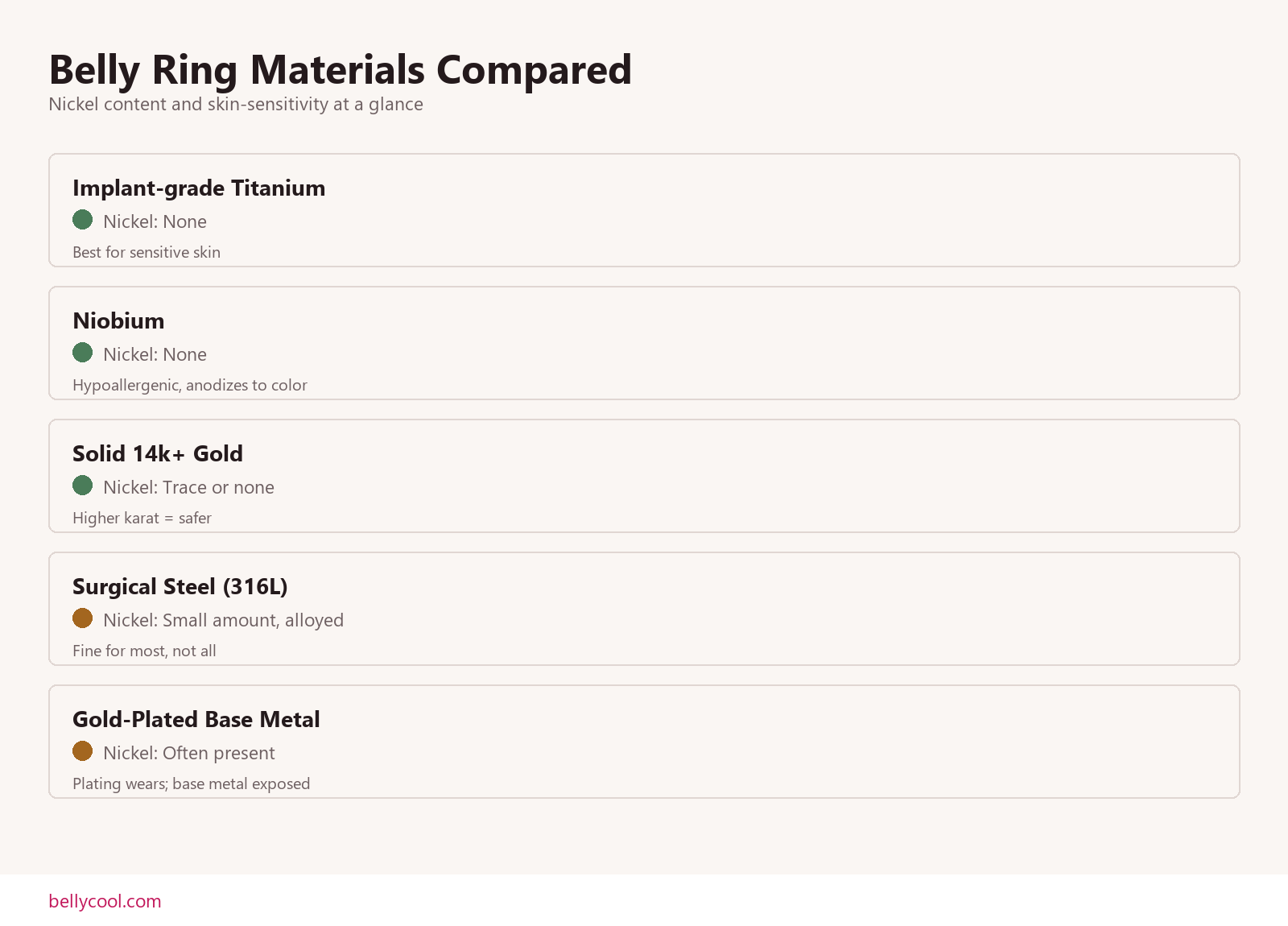
    Belly ring materials compared by nickel content and skin sensitivity

    Why Nickel Is the Real Problem

    Nickel allergy is one of the most common causes of contact dermatitis, and according to Mayo Clinic’s overview of nickel allergy, it can develop at any point in life, even in people who’ve worn nickel-containing jewelry for years without issue before. Sensitivity tends to build up with repeated exposure rather than showing up immediately, which is why a piece that was fine last year can suddenly cause a reaction now.

    The reaction itself is usually localized redness, itching, or small bumps right around the piercing — not a full-body response, but persistent and unpleasant enough that it’s worth solving at the source instead of just switching aftercare products.

    What makes nickel especially tricky is how common it is in everyday metal alloys. It’s cheap, durable, and easy to work with, so manufacturers use it in everything from inexpensive fashion jewelry to some grades of stainless steel. That means two rings that look and feel identical on a shelf can have completely different effects on your skin, depending entirely on what’s actually in the alloy rather than anything visible to the eye.

    The Best Materials for Sensitive Skin

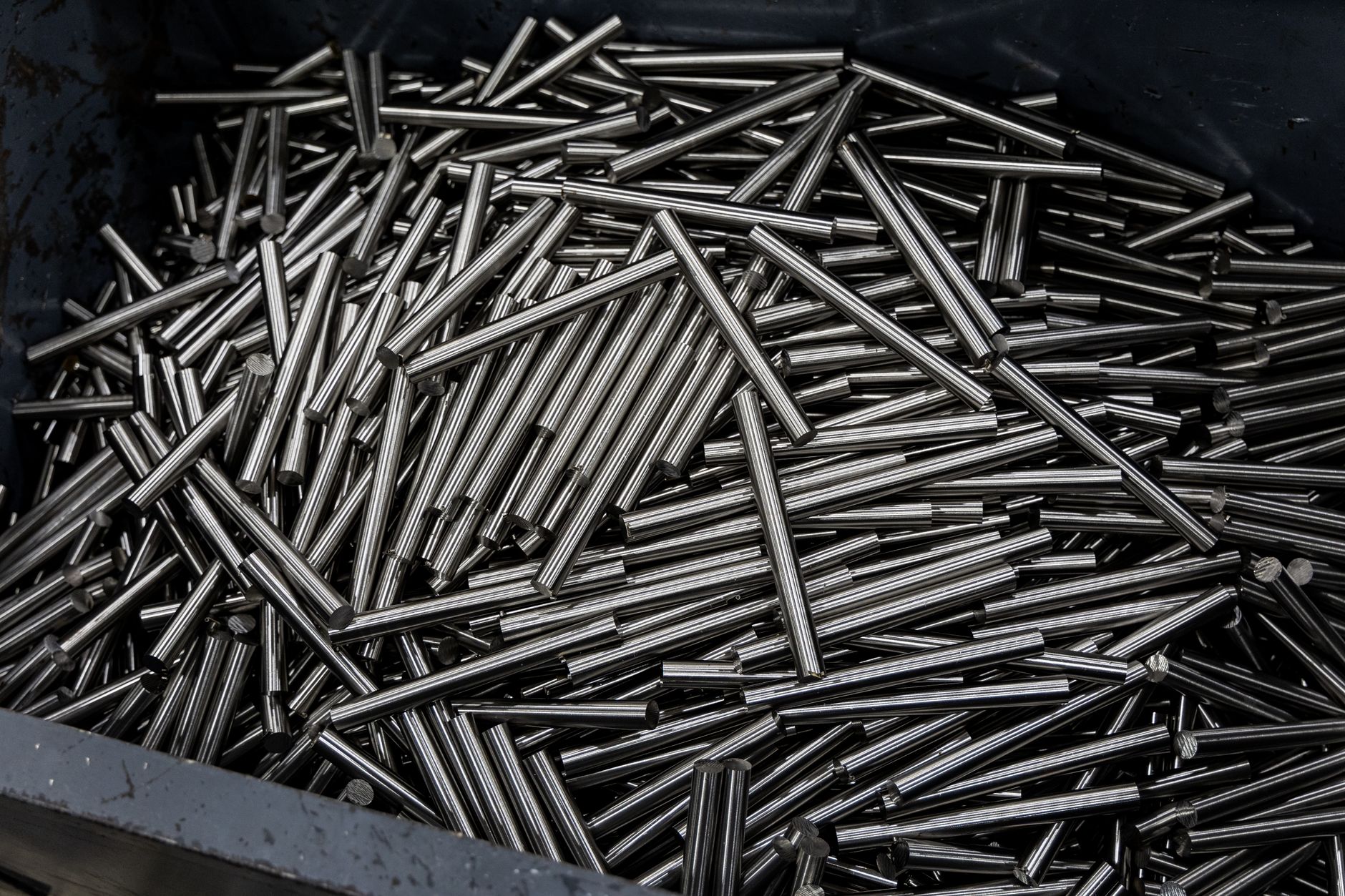
    Stainless steel rods used as raw material for body jewelry posts

    Implant-Grade Titanium

    Titanium is a single element, not an alloy, which means there’s no nickel hiding inside it the way there can be with steel. It’s also lightweight and extremely biocompatible, which is part of why it’s used in actual surgical implants, not just jewelry.

    Niobium

    Niobium shares titanium’s advantage of being a pure element with zero nickel content, and it has one extra trick: it can be anodized into different colors without any dye or coating that could wear off or flake.

    Solid Gold (14k and Up)

    Higher-karat solid gold contains little to no nickel, though it’s worth confirming with the seller, since lower-karat gold alloys sometimes include it. This is also where our gold vs. silver belly ring comparison is useful, since it goes deeper into how different karats and finishes behave over time.

    Medical-Grade Plastic (PTFE or Bioplast)

    Flexible plastic barbells aren’t the most common choice for everyday wear, but they’re worth knowing about. Because they contain no metal at all, they’re sometimes recommended by piercers specifically for people with severe, confirmed metal allergies, or for wear during activities like swimming or contact sports where a metal bar isn’t ideal.

    Materials That Cause Problems

    Close-up of a dark raw metal surface texture

    Surgical Steel (With a Catch)

    Most surgical steel is fine for the average person, but it’s technically an alloy that contains a small, tightly bound amount of nickel. For most wearers that nickel never becomes a problem, but if you’re highly sensitive, even that small amount can be enough to trigger a reaction over time.

    Gold-Plated or Base-Metal Jewelry

    This is the one to watch most closely. A thin gold or silver plating can look and feel identical to solid metal at first, but plating wears down with normal contact, sweat, and cleaning. Once it does, whatever base metal is underneath — frequently nickel-containing — is now touching your skin directly.

    How to Tell If Jewelry Is Actually Hypoallergenic

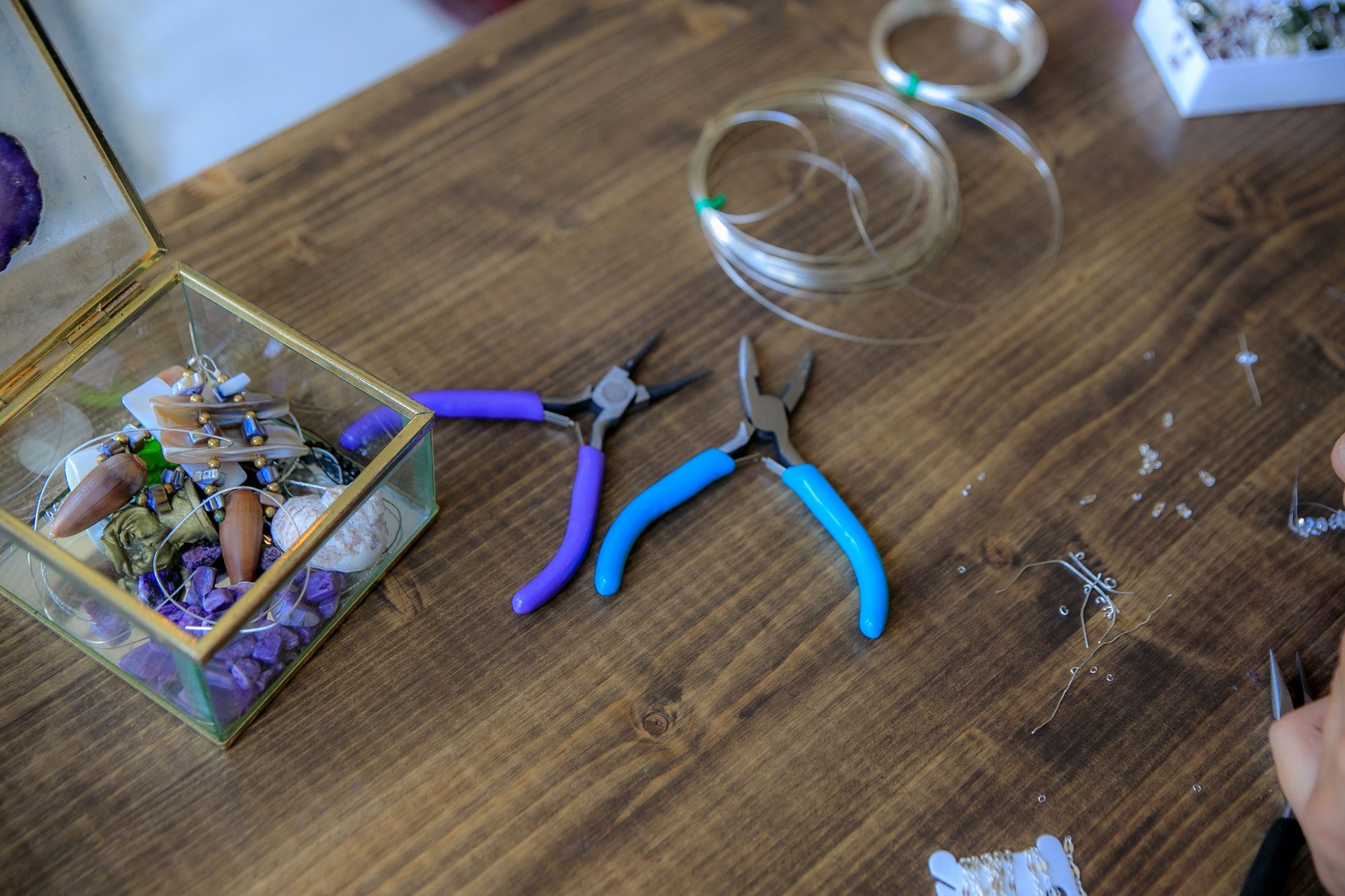
    Jewelry-making wire and tools laid out on a workbench

    “Hypoallergenic” isn’t a regulated term, so it can appear on packaging without meaning much. Look instead for a specific material claim: implant-grade titanium (often labeled ASTM F136 or similar), niobium, or a stated gold karat. If a listing only says “hypoallergenic” or “nickel-free” with no material specified, treat that as a yellow flag rather than a guarantee.

    Common Mistakes to Avoid

    • Assuming “stainless steel” means nickel-free. It doesn’t — stainless and surgical steel both typically contain some nickel.
    • Ignoring early symptoms. Mild itching that gets brushed off often becomes a bigger reaction with continued exposure.
    • Buying plated jewelry for long-term wear. Plating is fine for occasional pieces, but it’s a poor choice for anything worn daily against a healing or sensitive piercing.
    • Switching aftercare products instead of switching materials. If irritation is material-related, no amount of extra cleaning will fix it.

    Shopping Considerations

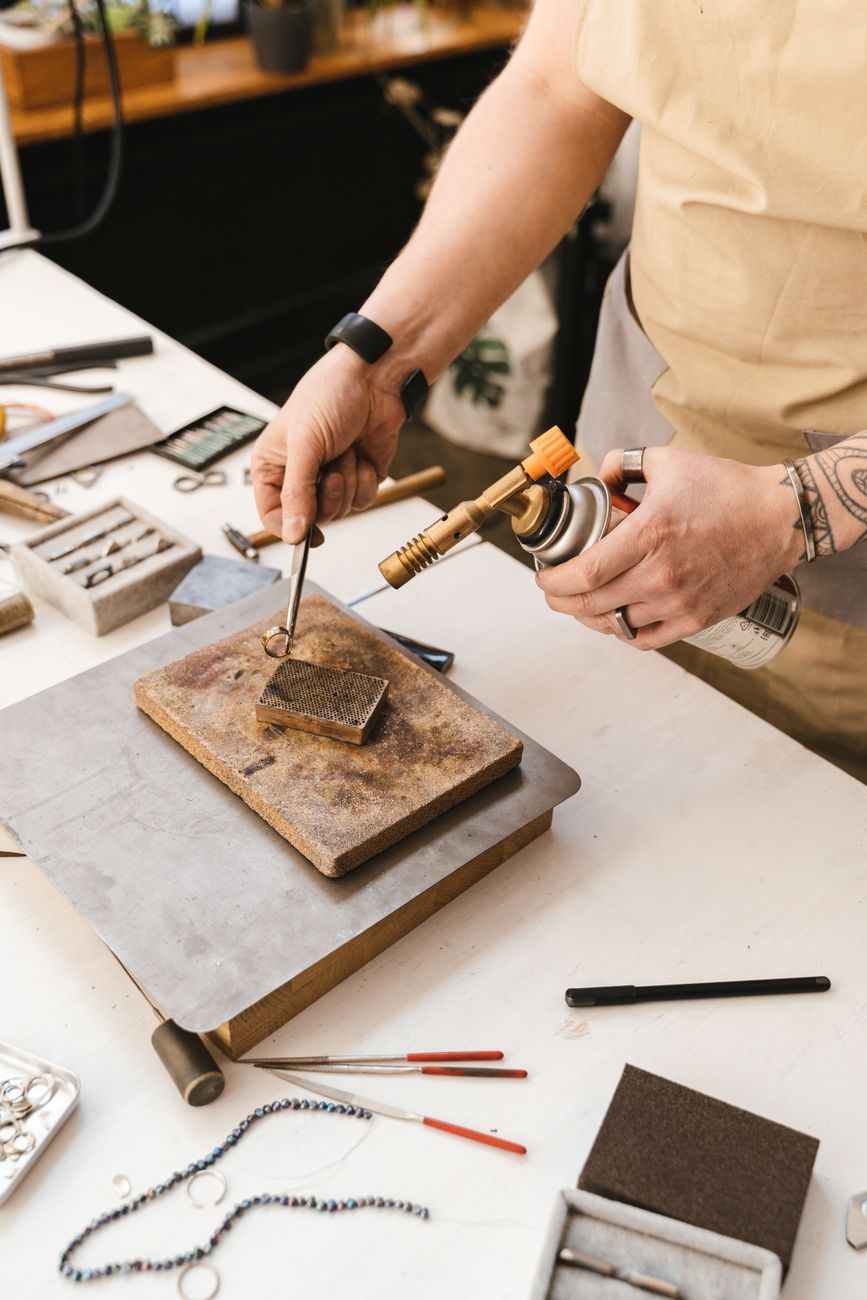
    Jeweler using a torch to work metal in a workshop

    Once you’ve settled on a safe material, the usual sizing rules still apply on top of it. If you haven’t confirmed your gauge and length recently, it’s worth checking our belly ring size guide before ordering, since a poor fit can cause its own irritation that’s easy to mistake for a material reaction. Browsing a full belly button ring collection with materials listed per item makes it much easier to filter for exactly what your skin needs.

    Material comes first, but it’s worth knowing that the safest options aren’t limited to plain, basic designs anymore — our 2026 belly ring trends roundup covers several current styles, including bioflex pieces, that work well for sensitive skin without sacrificing style.

    If You’re Already Reacting to Current Jewelry

    Applying moisturizer to soothe sensitive skin

    Swap to titanium or niobium as soon as you reasonably can, and in the meantime keep the area clean and avoid scented lotions or products directly on the piercing. If redness, swelling, or discharge doesn’t start improving within a few days of switching materials, that’s worth a conversation with a piercer or dermatologist rather than something to keep managing on your own.

    It’s worth noting that removing jewelry entirely isn’t always the safest first move, especially on a piercing that hasn’t fully healed yet, since the opening can start to shrink surprisingly quickly. Swapping directly to a known-safe material is usually a better plan than leaving the piercing empty while you figure things out.

    When a Patch Test Is Worth Doing

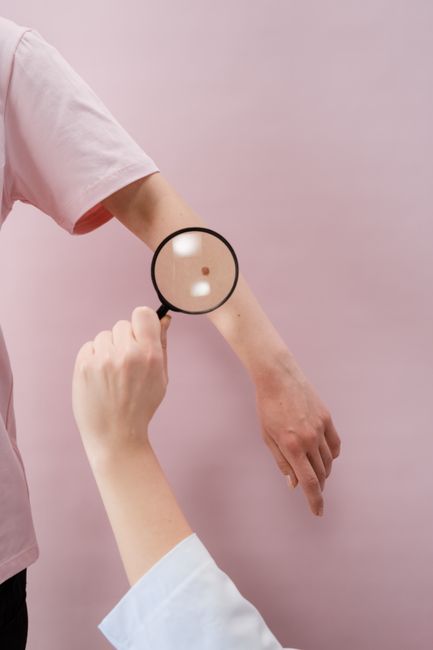
    Dermatologist examining skin closely with a magnifier

    If you’ve reacted to jewelry before and want to confirm nickel is actually the cause rather than guessing, a dermatologist can run a simple nickel patch test. A small adhesive patch containing a diluted nickel solution is applied to your skin, usually on the back or upper arm, and left in place for about 48 hours before being checked for a reaction.

    It’s a quick, low-cost way to get a definitive answer instead of cycling through materials by trial and error, and it’s particularly worth doing if you’ve reacted to jewelry that was labeled hypoallergenic or nickel-free, since that suggests something less common than a typical nickel sensitivity might be involved.

    Frequently Asked Questions

    Can I develop a nickel allergy even if I’ve never had one before?

    Yes. Sensitivity often builds gradually with repeated exposure, so a metal that never bothered you before can start causing reactions later.

    Is surgical steel safe for a new piercing?

    It’s a standard, widely used option, but titanium or niobium are generally considered safer starting points if you already know you have sensitive skin.

    Does gold-plated jewelry ever work for sensitive skin?

    It can for very short-term or occasional wear, but it’s not a reliable choice for anything worn daily, since the plating wears through with normal use.

    Are more expensive belly rings automatically safer for sensitive skin?

    Not automatically — price reflects a lot of things besides material safety, including design complexity and brand. The material specification is what actually matters, so it’s worth checking that directly rather than assuming a higher price tag guarantees a hypoallergenic result.

    How do I know if my reaction is to the metal versus the piercing healing normally?

    Normal healing involves mild redness early on that steadily improves. A material reaction tends to appear or worsen after jewelry has already looked fine for a while, and it typically doesn’t improve with standard aftercare alone.

    Final Thoughts

    Sensitive skin doesn’t have to mean fewer options — it just means being specific about materials instead of trusting vague labels. Implant-grade titanium and niobium are the safest defaults, solid gold is a strong choice at higher karats, and steel and plated pieces are the two categories worth watching most carefully before you buy.

    If you’re picking out a piece for someone with sensitive skin rather than for yourself, our belly ring gift guide covers how to shop safely as a gift-giver without needing to become a materials expert first.

    And whichever material you land on, it’s available in more than one jewelry mechanism — our curved barbell vs. captive bead ring comparison covers how the two main styles hold up differently over time, material considerations included.

  • How to Change a Belly Ring: A Safe Step-by-Step Guide

    How to Change a Belly Ring: A Safe Step-by-Step Guide

    Swapping in a new belly ring should be one of the more satisfying parts of owning one — not something that leaves you standing in front of a mirror for twenty minutes, afraid you’re doing it wrong. Once you know the actual sequence and a couple of things to check first, it genuinely takes under a minute.

    Before we get into the steps, there’s one requirement that matters more than any technique: your piercing needs to be fully healed. If you’re not sure whether it is, our belly piercing aftercare and healing timeline guide covers what a healed piercing actually looks and feels like, since navel piercings famously take longer than most people expect.

    Jewelry tools and tweezers laid out on a workbench

    Before You Start: Is Your Piercing Ready?

    Navel piercings typically take six to twelve months to heal fully, even when the surface looks completely normal much earlier. Changing jewelry too soon is one of the most common causes of irritation, so if your piercing is newer than that, or it’s ever painful, swollen, or seeping, hold off and let a professional piercer handle the swap instead.

    It’s also worth confirming you have the right replacement on hand. Mixing up gauge or length is easy to do by accident, and our belly ring gauge and length guide is the fastest way to double-check before you buy.

    Timing matters for another reason too: changing jewelry right after a shower is often easiest, since the skin around the piercing is warmer and slightly more relaxed than it is first thing in the morning. It’s a small thing, but it can make an otherwise fiddly swap noticeably smoother.

    What You’ll Need

    • Your new belly ring, cleaned beforehand with mild soap and water
    • A sterile saline spray or wound wash
    • Clean paper towels or a soft cloth
    • Optional: clean non-latex gloves for extra grip

    Washing hands under running water before handling piercing jewelry

    Saline Solution vs. Piercing Aftercare Spray

    Small bottle of antiseptic solution used for piercing aftercare

    Plain sterile saline is the simplest option for this kind of quick clean, and it’s gentle enough to use every time you change jewelry without drying out or irritating the skin. Pre-mixed wound wash sold specifically for piercings works the same way and is convenient if you’d rather not mix your own from salt and water.

    Skip anything containing alcohol, hydrogen peroxide, or fragrance for this step. They’re often assumed to be safer because they’re stronger disinfectants, but all three are actually harsher than plain saline and can irritate skin that’s otherwise perfectly healthy, especially with the frequent contact that comes from regularly changing jewelry.

    Step-by-Step: Removing Your Old Ring

    1. Wash your hands thoroughly. This is non-negotiable — anything touching the piercing site should start with clean hands.
    2. Clean the area. Spray a little saline solution around the piercing and pat it dry.
    3. Steady the bottom ball. Hold it still with one hand while you unscrew the top ball counterclockwise with the other.
    4. Slide the bar out. Once the top ball is off, gently pull the curved bar down and out through the bottom of the piercing.

    Gloved hands for extra grip when changing body jewelry

    If the ball won’t budge, a small piece of rubber (even a balloon or a clean glove finger) can give you extra grip without needing much force. Twisting hard or forcing a stuck ball is exactly how tiny scratches and slip-ups happen.

    Step-by-Step: Inserting New Jewelry

    1. Line up the bar. Guide the new curved barbell into the bottom of the piercing channel first.
    2. Ease it through. Push gently upward until the bar exits through the top of the piercing. It should move smoothly with light pressure — never force it.
    3. Attach the top ball. Screw it on until snug, but stop as soon as it’s secure. Overtightening can make it harder to remove next time and puts unnecessary pressure on the piercing.
    4. Clean up. Give the area one more light spray of saline and pat dry with a clean towel.

    Hand holding a cotton pad used for cleaning a piercing

    Closure Types Compared

    Not every belly ring uses the same closure mechanism, and knowing which type you’re working with makes the whole process easier.

    Closure Type How It Works Ease of Changing
    Externally threaded Ball screws onto a threaded post Easy — most common, beginner-friendly
    Internally threaded Threading sits inside the ball, not the post Easy, and gentler on the piercing channel
    Push-fit (threadless) Ball snaps into place under tension Very easy, but needs a firm, confident push
    Captive bead ring Bead held in place by ring tension Trickier — often easier with ring-opening pliers

    If you’re weighing whether to switch from your current barbell to a ring style, our curved barbell vs. captive bead ring comparison goes deeper into the tradeoffs between the two.

    What to Do If Jewelry Feels Stuck

    Set of tweezers useful for handling small jewelry parts

    Every so often, jewelry simply won’t cooperate, and that’s fine — it happens even to people who’ve changed their rings dozens of times. According to Healthline’s overview of navel piercing complications, repeated irritation from forcing jewelry in or out is one of the more common causes of raised scarring at the site, so it’s worth being patient rather than pushing through resistance.

    If a ball won’t unscrew, the bar won’t slide through, or the piercing feels tender when you try, stop and see a professional piercer. It typically takes them under a minute, and it avoids the kind of irritation that turns a five-minute jewelry swap into a setback for your healing.

    Common Mistakes to Avoid

    • Changing jewelry before the piercing is healed. This is the single biggest cause of complications from a jewelry swap.
    • Skipping the hand wash. It’s the easiest step to rush past and the one most likely to introduce bacteria.
    • Forcing a stuck ball or bar. Extra grip helps; extra force usually just causes irritation.
    • Overtightening the closure. Snug is enough — jewelry that’s cranked down hard is harder on the piercing and harder to remove later.

    How Often Can You Safely Change It?

    Rolled clean towels for drying after piercing care

    Once you’re fully healed, there’s no strict limit — plenty of people change styles for different outfits or occasions without any issue. The only real rule is to keep following basic hygiene each time: clean hands, clean jewelry, and a quick saline wipe afterward. If you’re building out a small rotation, our gold vs. silver belly ring guide is worth a look before you buy multiples, since the two metals wear differently with frequent handling.

    If you’re rotating styles anyway, it’s a good excuse to try something newer than what’s already in your collection — our roundup of 2026 belly ring trends covers what’s actually worth adding this year, from floating styles to mixed metals.

    Frequently Asked Questions

    How long should I wait before changing my belly ring for the first time?

    Most piercers recommend waiting the full six-to-twelve-month healing window before the very first change, even if the piercing looks healed sooner.

    Is it normal for a new ring to feel tight at first?

    A little snugness right after insertion is normal and usually settles within a day. Persistent tightness or pressing pain is worth checking against your belly button ring size before assuming anything is wrong with the piercing itself.

    Can I change my belly ring by myself with no experience?

    Yes, once it’s fully healed — the process is genuinely simple once you’ve done it once. If you’re nervous the first time, most piercing studios will walk you through it in person at no cost.

    What if I drop the ball or lose a piece?

    It happens more often than you’d think. Keep the piercing covered with a clean bandage temporarily and avoid leaving it completely empty for long, since navel piercings can start to close faster than other piercings.

    Should I take my belly ring out for exercise or sleeping?

    Generally no, once it’s healed — a well-fitted ring shouldn’t need to come out for everyday activity. If a particular sport or sleeping position consistently irritates it, that’s usually a sign the length needs adjusting rather than a reason to remove the jewelry regularly, since frequent in-and-out handling is itself a common source of irritation.

    Final Thoughts

    Changing a belly ring is a five-minute task once you know the sequence: clean hands, steady the old ball, slide the bar out, guide the new one in, and finish with another quick clean. Go slowly the first few times, and don’t be afraid to ask a piercer for help if anything feels stuck — it’s far better than forcing it.

  • Belly Ring Size Guide: How to Find Your Perfect Gauge and Length

    Belly Ring Size Guide: How to Find Your Perfect Gauge and Length

    If you’ve ever stood in front of a jewelry display trying to figure out whether you need a 14g or a 16g, or whether “3/8 inch” is even the right length for your body, you’re not alone. Belly ring sizing trips up more first-time buyers than any other part of the shopping process, and getting it wrong usually means a piece that pinches, dangles awkwardly, or won’t sit flush against your skin.

    The good news is that belly ring sizing only really comes down to two numbers: gauge and length. Once you understand what each one measures and how they relate to your own piercing, choosing a new ring gets a lot less confusing — whether you’re choosing your first belly ring style or replacing one you’ve had for years.

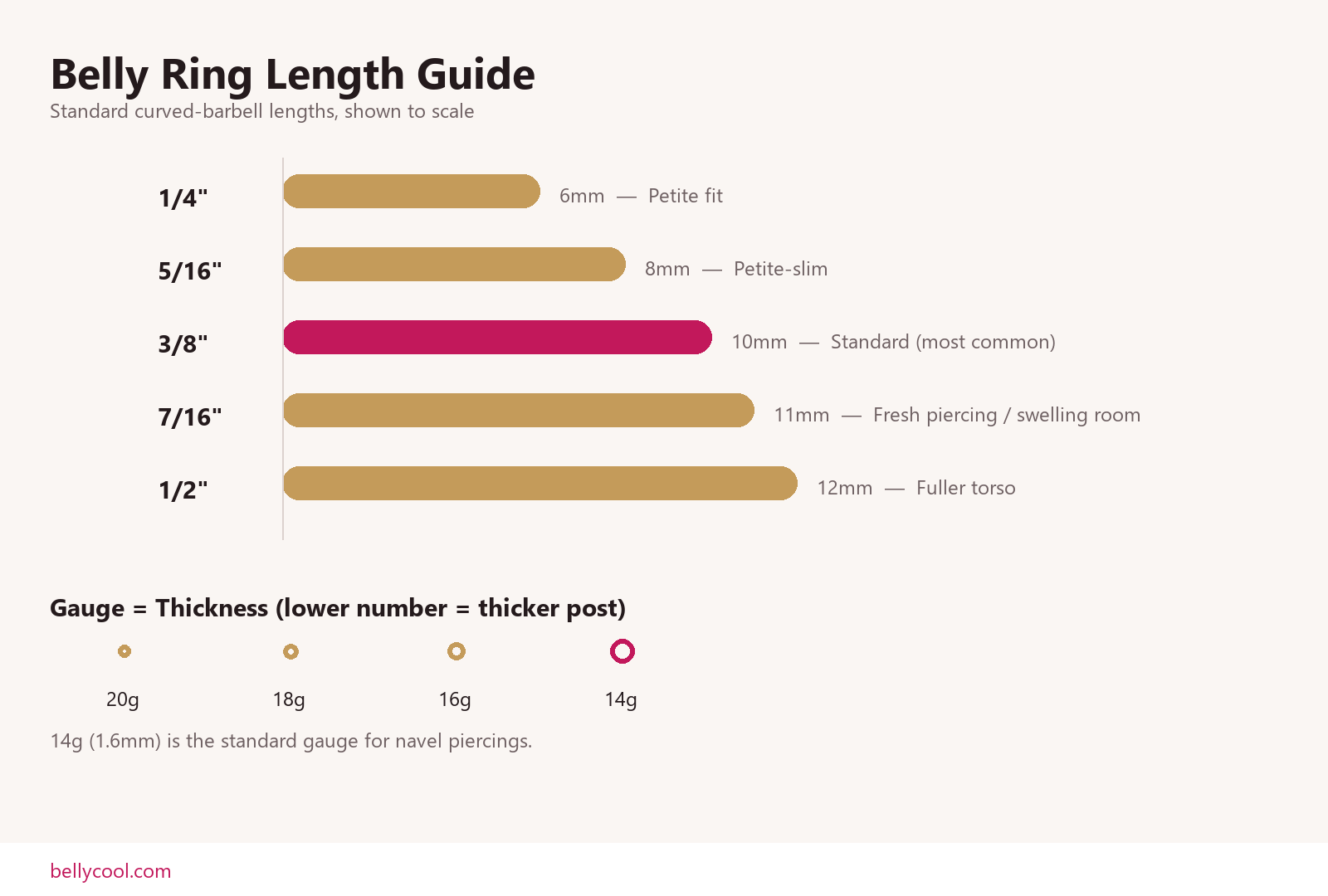
    Belly ring length and gauge comparison chart from 1/4 inch to 1/2 inch

    Gauge vs. Length: The Two Numbers You Need to Know

    Gauge and length measure two completely different things, and mixing them up is the single most common sizing mistake. Gauge is the thickness of the post itself — how wide the bar is that actually passes through your piercing. Length is how long that bar is, from one ball or charm to the other.

    Here’s the part that confuses almost everyone the first time: gauge numbers work backwards. A lower gauge number means a thicker post, not a thinner one. So a 14g bar is noticeably thicker than an 18g bar, even though 18 is the bigger number.

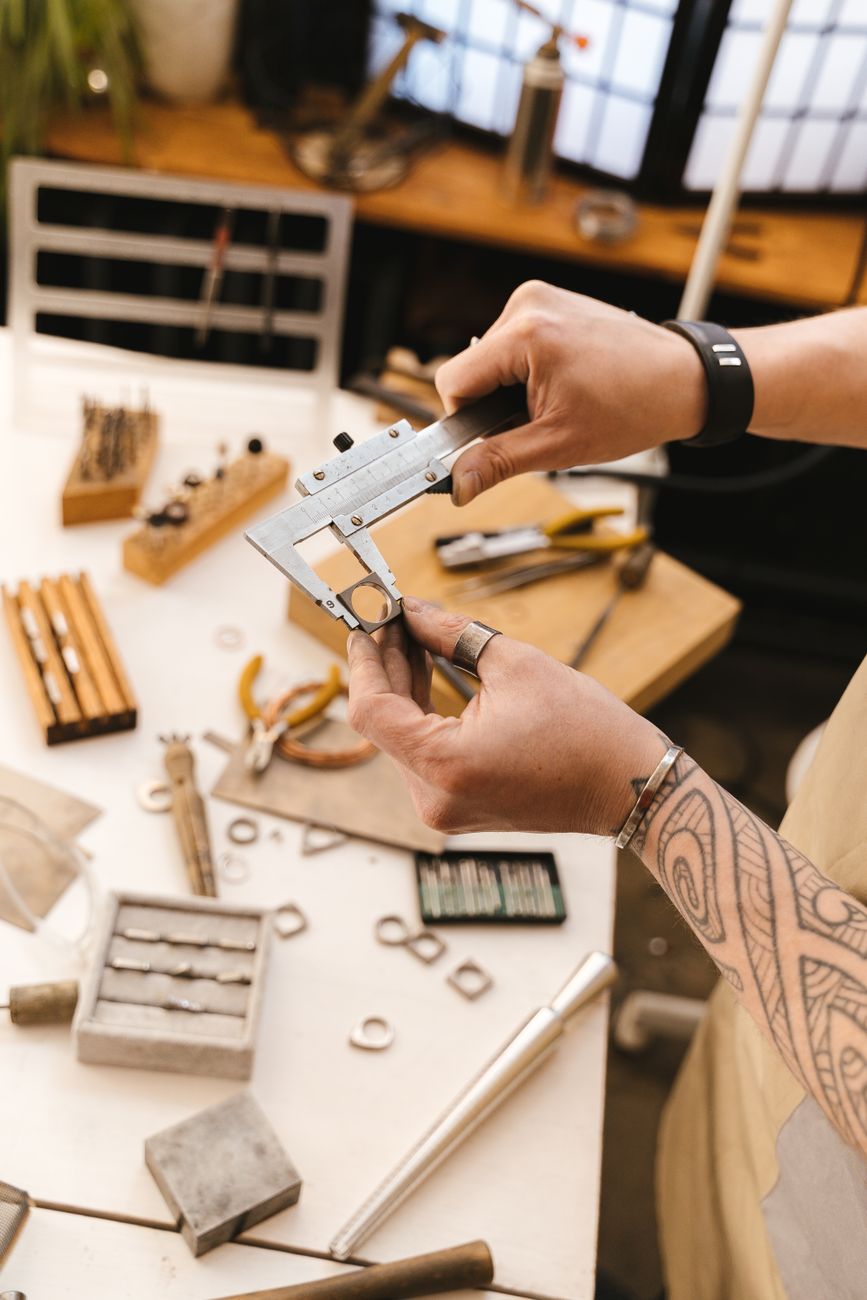
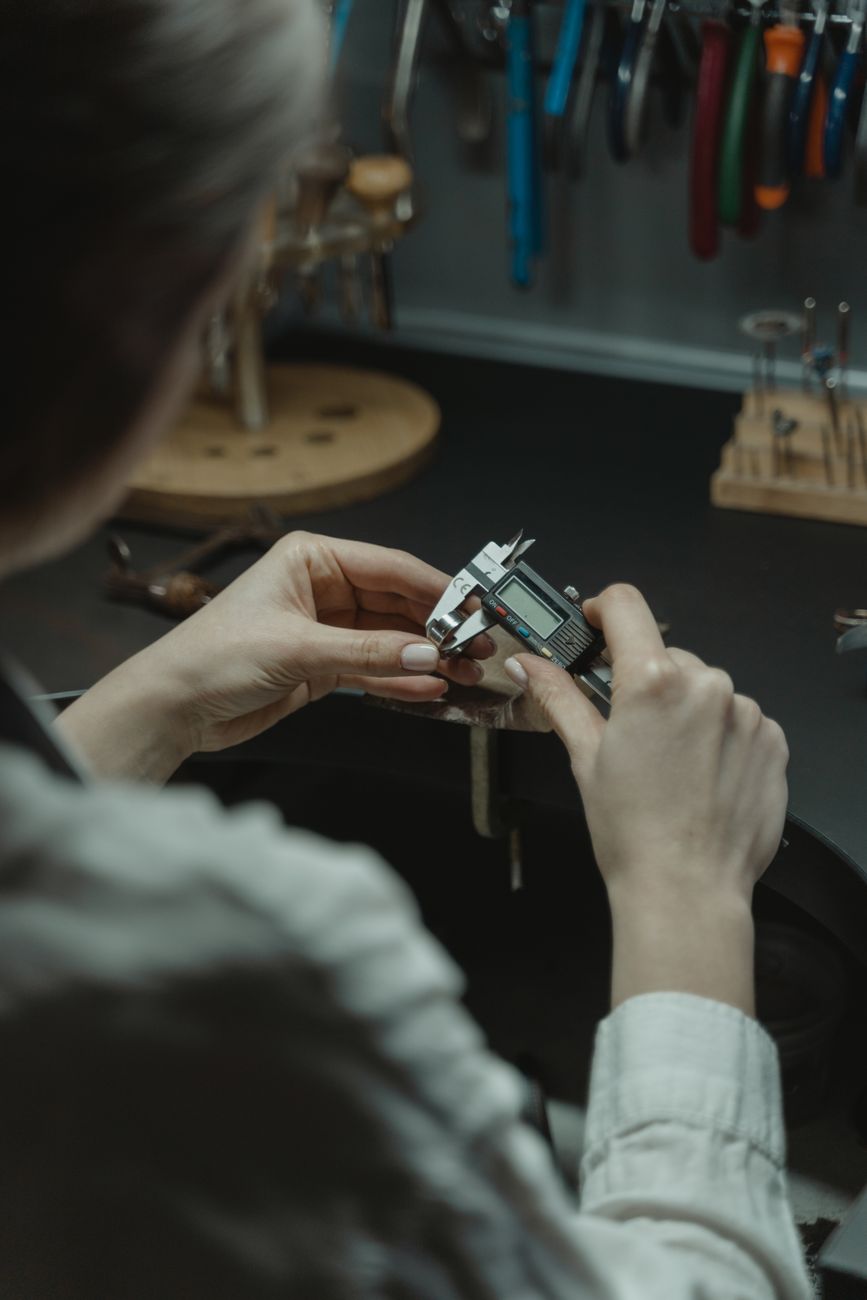
    Jeweler using a digital caliper to measure body jewelry

    Belly Ring Length Chart

    Curved barbells (the classic banana-shaped bar most belly rings use) come in a handful of standard lengths. Here’s how they compare:

    Length Metric Best For
    1/4″ 6mm Petite or smaller frames
    5/16″ 8mm Petite-to-average builds
    3/8″ 10mm Standard — most healed piercings
    7/16″ 11mm Fresh piercings that still need swelling room
    1/2″ 12mm Fuller torsos or deeper-set navels

    If you’re not sure where to start, 3/8″ (10mm) is the length most healed navel piercings end up at, and it’s the safest default when you’re buying online without a way to measure first.

    Understanding Gauge Thickness

    Gauge is far more standardized than length. The vast majority of navel piercings are done at 14 gauge (1.6mm), and most people stay at that gauge for the life of the piercing.

    Gauge Thickness Common Use
    20g 0.8mm Nose, small earrings
    18g 1.0mm Nose, cartilage
    16g 1.2mm Cartilage, some navels
    14g 1.6mm Standard navel gauge

    Unless a piercer has specifically told you otherwise, assume your navel piercing is 14 gauge. It’s rare for a professional to use anything thinner for an initial piercing, since thinner posts are more prone to migration and irritation in a high-movement area like the navel.

    How to Measure Your Own Belly Ring

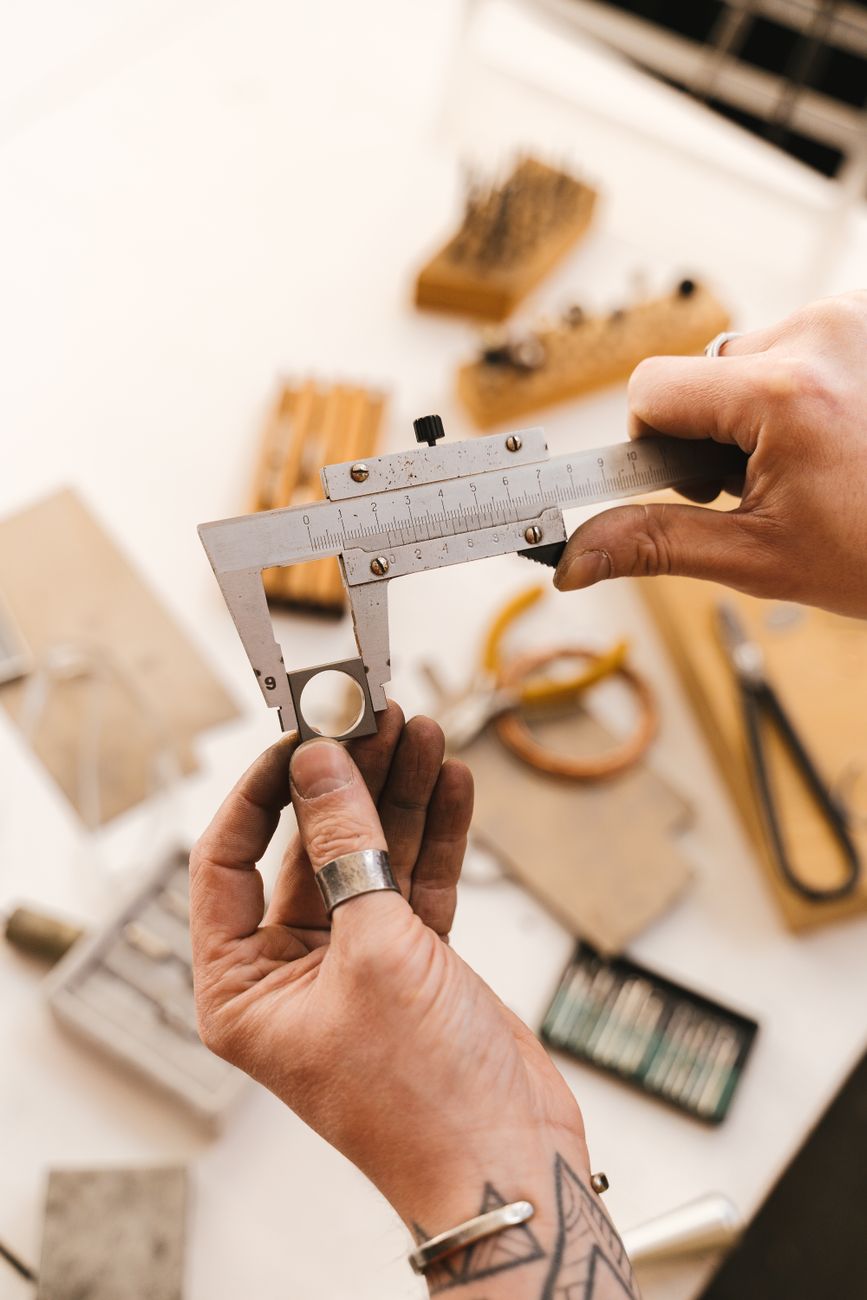
    Close-up of a caliper measuring a jewelry ball closure

    If You Still Have Your Current Jewelry

    The most accurate way to check your size is to measure the jewelry you’re already wearing. A small ruler works for a rough estimate, but a digital or dial caliper gives you an exact reading in millimeters, which you can then match against the charts above.

    Measure the post from ball to ball for length, and measure the width of the post itself (not the balls) for gauge. If you don’t own a caliper, most piercing studios will happily measure a piece for you in a couple of minutes, even if you didn’t buy it there.

    If You Don’t Know Your Size at All

    Without your original jewelry on hand, your safest bet is a professional measurement at a piercing studio, since guessing on gauge in particular can mean jewelry that’s uncomfortably tight or loose enough to migrate. Most people are 14g at standard 3/8″ length, so that’s a reasonable starting point if a professional check isn’t practical right now.

    What a Professional Measurement Actually Involves

    Craftsman measuring ring size with a precision tool in a jewelry workshop

    If you’ve never had jewelry professionally measured, the process is quicker than it sounds. A piercer will typically hold your current jewelry (or a sizing rod, for a fresh piercing) against a calibrated gauge and caliper, reading both the post thickness and the ball-to-ball length in seconds. There’s no need to remove anything beforehand or book a special appointment — most studios will do this on the spot, even for jewelry you didn’t buy there.

    It’s worth getting an official measurement once and writing both numbers down somewhere you’ll find again, since a lot of buyers end up re-measuring from scratch after forgetting them months later.

    Fresh Piercing vs. Healed Piercing Sizing

    Hands measuring jewelry gauge with a caliper in a workshop

    Sizing isn’t static over the life of a piercing. A brand-new navel piercing is usually fitted with a slightly longer bar — often 7/16″ instead of the standard 3/8″ — to leave room for the initial swelling that happens in the first few weeks.

    According to the Association of Professional Piercers’ guidance on initial jewelry, that extra length is intentional and shouldn’t be swapped out too early. Once healing is complete, which for navels commonly takes six to twelve months, most people size down to the shorter, closer-fitting standard length. For a full breakdown of what that healing window actually looks like, our belly piercing aftercare and healing timeline guide covers it in detail.

    Common Sizing Mistakes to Avoid

    • Guessing gauge from length, or vice versa. They’re independent measurements, and getting one right doesn’t tell you the other.
    • Downsizing too early. Swapping to a shorter bar before swelling has fully gone down can put pressure on the piercing.
    • Ignoring persistent tightness or migration. If jewelry constantly feels tight, presses into skin, or the piercing seems to be shifting position, that’s worth a professional opinion rather than sizing up on your own.
    • Buying by eye from product photos alone. Two rings can look identical online and still be completely different lengths — always check the listed measurements.

    What to Consider When Shopping for a New Size

    Rulers and tape measures used as a sizing reference

    Once you know your gauge and length, material is the next decision worth spending time on, since it affects comfort as much as sizing does. Our gold vs. silver belly ring comparison walks through how each metal wears over time and which is gentler on sensitive skin.

    Style is worth factoring in too — some current looks, like floating barbells with a flat inner base, sit differently than a classic dangle. Our 2026 belly ring trends guide is worth checking before you buy if you’re chasing a specific style.

    It’s also worth buying from a size range rather than a single fixed length when you can, since even people with a “standard” 3/8″ fit sometimes find a specific style sits better at 5/16″ or 7/16″ depending on the design and how the charm hangs. Browsing a full belly button ring collection with sizing options listed per style makes this much easier than trying to size from a single product photo.

    Vintage caliper tool resting on a workbench

    Frequently Asked Questions

    What is the most common belly ring size?

    Most healed navel piercings use a 14 gauge post at 3/8″ (10mm) length. If you’re buying without an exact measurement, this combination is the safest default.

    How do I know if my belly ring is too big or too small?

    A ring that’s too short will look tight and may press into the skin above or below the piercing. One that’s too long will hang loosely, rotate more than it should, or dangle at an odd angle. Both are worth correcting rather than living with.

    Can I change my own belly ring size at home?

    Once a piercing is fully healed, most people can swap jewelry themselves. If a piercing is still healing, still swollen, or you’re unsure of the healing stage, it’s worth getting a professional to check before changing anything.

    Do all belly rings use the same gauge?

    Almost all navel piercings are 14 gauge, which is why most belly ring jewelry is made to that spec. Gauge only tends to vary if a piercer used something nonstandard for your specific piercing.

    Why does my belly ring feel different after losing or gaining weight?

    Because the navel sits on soft tissue rather than cartilage or bone, noticeable weight changes can genuinely shift how a given length fits. A bar that used to sit flush can start to feel tight or loose after a significant change, which is one more reason it’s worth rechecking your measurements occasionally rather than assuming a size you had years ago still applies today.

    Final Thoughts

    Belly ring sizing sounds more complicated than it actually is once you separate gauge from length and know where your own piercing falls on each scale. Measure what you have, check it against the charts above, and you’ll be able to shop for new styles with actual confidence instead of guesswork.

    Buying for someone else instead of yourself? Our belly ring gift guide covers how to navigate sizing when you can’t ask directly, without risking a gift that doesn’t fit.

    Gauge and length are only half the picture, too — the other is which jewelry mechanism you’re sizing. Our curved barbell vs. captive bead ring comparison covers how the two main styles differ and which one fits your piercing’s stage of healing.

  • How to Choose the Perfect Belly Ring for Your Style

    How to Choose the Perfect Belly Ring for Your Style

    A belly ring is one of the easiest ways to add a bit of personality to your everyday look, but with so many bar lengths, closures, and charm styles out there, picking the right one can feel overwhelming. Here’s what actually matters when you’re choosing one.

    Get the size right first

    Fit matters more than style. A bar that’s too short can put pressure on healing or sensitive tissue, and one that’s too long can snag on clothing. Standard navel bars usually run between 3/8″ and 1/2″ (10mm–12mm), but the right length depends on your own anatomy and swelling level if the piercing is newer. If you’re not sure what you’re currently wearing, a piercer can measure it in a couple of minutes.

    Think about closure type

    Curved barbells (the classic banana-shaped bar with a ball on top and a dangle on the bottom) are the most common style and the easiest to put in and take out yourself. Clicker-style rings and captive bead rings are also popular but usually require a bit more care — or a piercer’s help — to open and close securely.

    Match the charm to the occasion

    Small fixed balls or gems read as understated and work well for everyday wear or under fitted clothing. Longer dangles with charms — hearts, stars, florals — show more when you’re in cropped styles and tend to catch more light and movement, which is great for going out but something to keep in mind if you’re active or wear more fitted tops day to day.

    Consider your skin first

    Before you fall in love with a finish, make sure the base material is right for your skin and your piercing’s healing stage — that’s actually the more important decision, and it deserves its own explanation. We cover that in detail in our gold vs. silver guide.

    Once you’ve got size and material sorted, the rest really is just picking what makes you smile when you look down. That’s the fun part.