
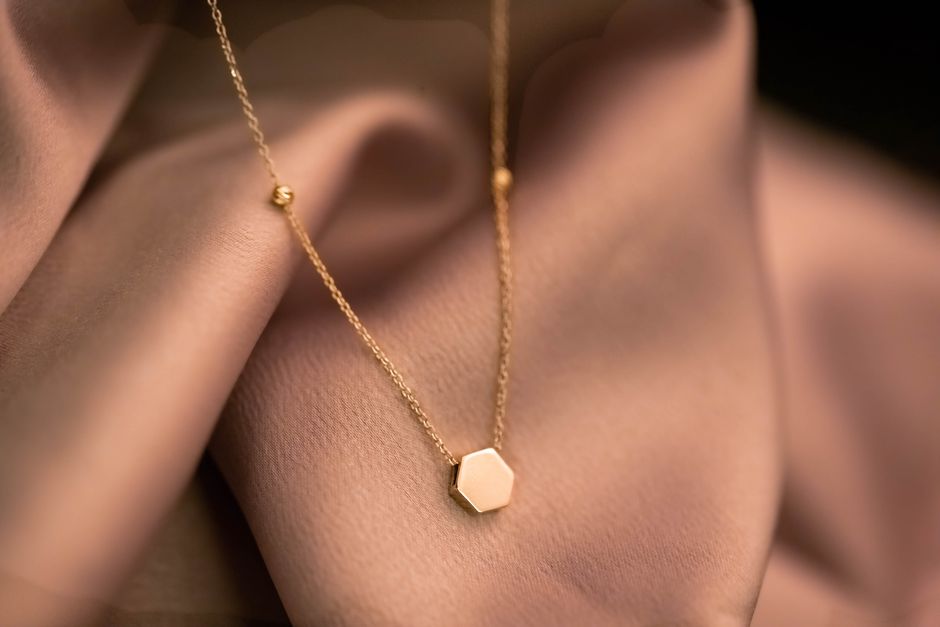
Beyond the curved barbell versus captive bead ring decision, there’s a second style choice that matters just as much for everyday comfort: whether the charm on your belly ring hangs and moves, or sits fixed in place. Both look great, but they behave very differently once you’re actually wearing one, and the difference matters more than most first-time buyers expect.
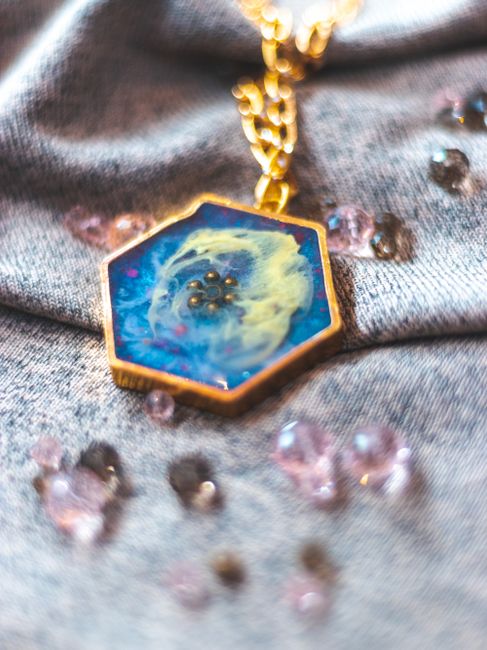
Fixed Charm Belly Rings
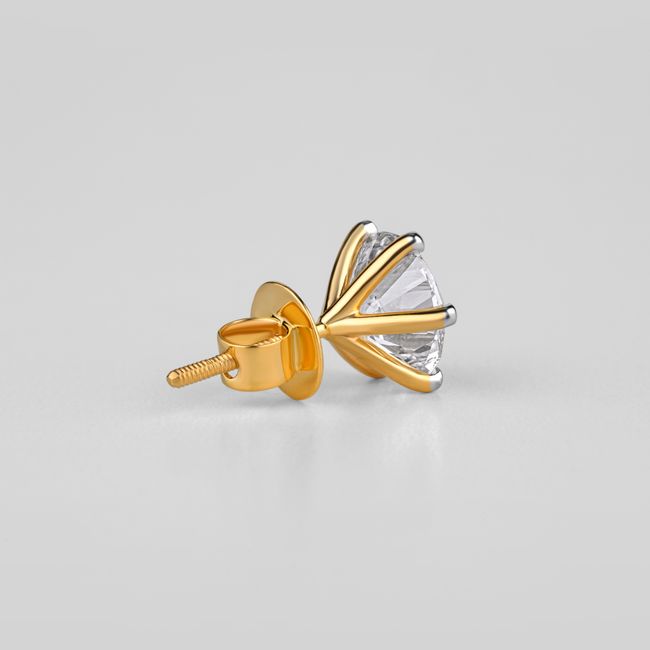
A fixed charm sits directly on the ball or end of the barbell, with no chain or movement between the charm and the bar itself. The design might still be detailed — a gem, a small shape, a bit of texture — but nothing swings.
Pros
- Genuinely safe for daily wear, sleep, and activity, since there’s nothing to catch on sheets, towels, or clothing
- Lower profile, which sits comfortably under fitted tops or waistbands
- No moving parts to worry about losing or tangling
Cons
- Less visual movement and sparkle compared to a dangle
- Charm design options are somewhat more limited since everything has to sit flush against the bar
Dangle Belly Rings
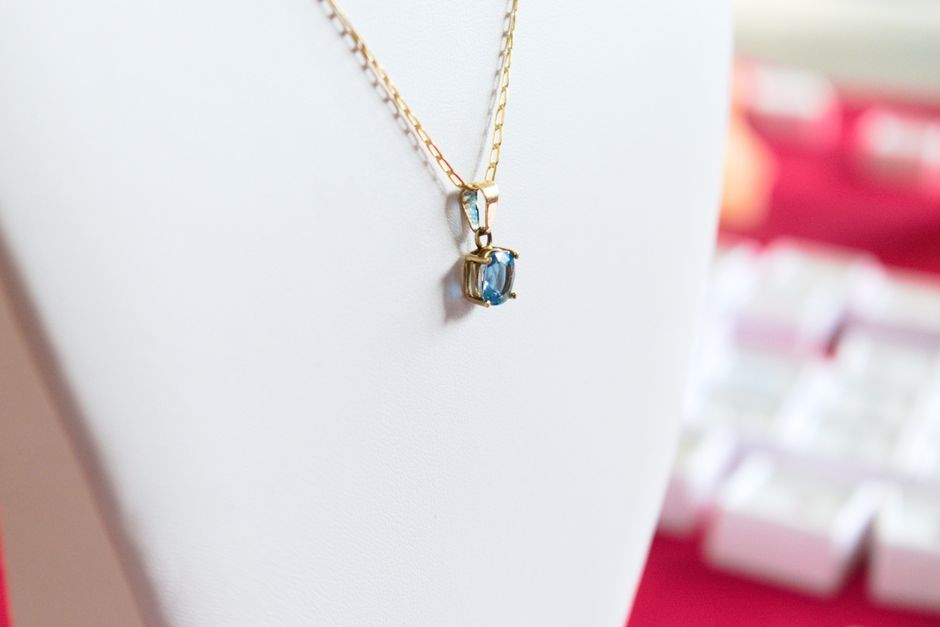
A dangle attaches its charm via a small chain or jump ring below the bar, so it hangs and moves independently — catching light and swaying slightly as you move, which is exactly the appeal.
Pros
- Noticeably more eye-catching, with real movement and sparkle
- Huge range of charm styles, since the design isn’t constrained by needing to sit flush
- Interchangeable in some designs, letting you swap charms without buying a whole new piece
Cons
- Genuinely not safe to sleep in — the movement that makes it attractive is the same thing that snags on sheets and blankets overnight
- More prone to catching on towels, fitted clothing, and gym equipment during the day
- Not recommended for a piercing that isn’t fully healed, since tugging can irritate or reopen healing tissue
Side-by-Side Comparison
| Factor | Fixed Charm | Dangle |
|---|---|---|
| Safe to sleep in | Yes | No |
| Snag risk during activity | Low | Higher |
| Suitable for healing piercings | Yes | Not recommended |
| Visual movement | None | Noticeable |
| Best occasion | Everyday, active days | Going out, photos, special occasions |
Why Dangles Become a Real Safety Issue Overnight

This is worth taking seriously rather than treating as an exaggeration. According to WebMD’s overview of belly button piercings, jewelry that catches or gets tugged during healing is one of the more common causes of complications, and a chain-hung charm moving freely against sheets overnight is exactly the kind of repeated, low-grade friction that leads to irritation or, in worse cases, tearing. The safest habit is simple: swap to a fixed-charm piece or a plain barbell before bed, every time, regardless of how secure a dangle feels when you put it on.
Building a Rotation: Fixed for Daily, Dangle for Occasions
Most people end up owning both styles rather than picking one permanently. A fixed charm or plain barbell handles work, exercise, and sleep without a second thought, while a dangle comes out for nights out, photos, or swimwear where the movement and sparkle actually get to show. If you’re building out this kind of rotation, our belly ring gift guide and 2026 trends roundup both cover current dangle styles worth adding, from opal accents to floating designs.
A practical habit worth building early: treat the swap as part of your routine rather than an afterthought. Keep a fixed-charm piece somewhere easy to grab at the end of the day, the same way you might keep a phone charger by the bed, so switching out of a dangle before sleep becomes automatic instead of something you have to remember and sometimes skip.
Getting the Length Right for a Dangle
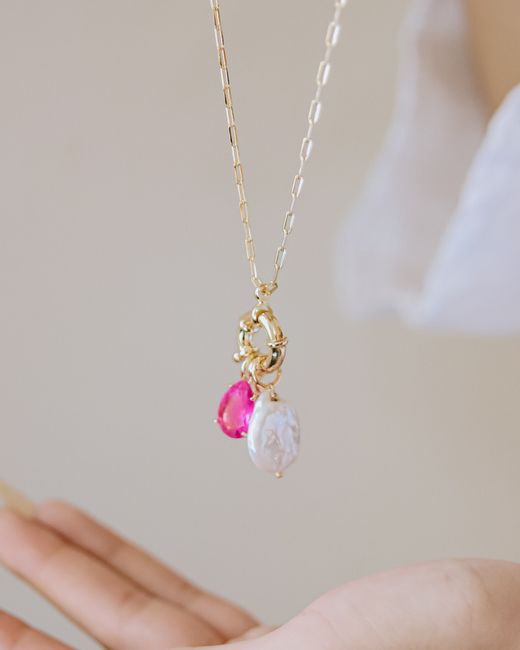
Dangle length matters more than it does for a fixed charm, since a chain that’s too long increases both the snag risk and the chance of the charm sitting at an awkward angle. Our belly ring size guide covers how to measure your gauge and length correctly, which is worth doing before buying a dangle specifically, since an ill-fitting one is more noticeable than an ill-fitting fixed piece.
What Piercers Typically Recommend for New Piercings
If you’re newly pierced, this decision has effectively already been made for you: a fixed-charm curved barbell is the standard starting jewelry, and for good reason. A fresh piercing is dealing with swelling and an unfinished healing channel, and a dangle’s constant small movements add friction and tension that a healing piercing simply doesn’t need. Our guide to getting your first belly button piercing covers what that initial jewelry looks like in more detail, and why it’s worth resisting the temptation to switch to something flashier too early.
Once you’re fully healed — typically six to twelve months in for a navel piercing — that’s when a dangle genuinely becomes a safe, reasonable option rather than a risk you’re taking on a piercing that hasn’t finished forming.
Material Considerations Apply to Both Styles
Whichever style you choose, the charm and the bar can both be made from the same range of skin-safe materials — implant-grade titanium, niobium, surgical steel, or solid gold. A dangle does have one extra consideration: the connector linking the charm to the bar (often a small jump ring) is a second point of contact with your skin, so it’s worth confirming that piece is nickel-free too, not just the main bar. Our hypoallergenic materials guide covers what to check for across an entire piece, connectors included.
Frequently Asked Questions
You can during waking hours if you’re reasonably careful, but it’s worth removing before sleep and swapping to something fixed for high-activity days like workouts.
Generally no. Most piercers recommend a plain fixed-charm curved barbell until healing is fully complete, since a dangle’s movement can irritate tissue that isn’t done forming.
If it consistently catches on waistbands, tucks awkwardly into clothing, or hangs lower than feels comfortable, it’s likely longer than ideal for your torso length and worth sizing down.
Not at all — fixed pieces can still feature gemstones, unique shapes, and detailed work. They’re simply more understated by design, which some people prefer as an everyday look.
A fixed-charm curved barbell in a hypoallergenic material covers the most situations safely — comfortable for sleep, low activity risk, and still attractive enough for daily wear.
It’s a genuine risk rather than an exaggeration, though it typically requires repeated snagging rather than a single incident. The concern is cumulative friction and tension from a dangle catching on fabric night after night, which is exactly why removing it before sleep is worth the small inconvenience.
Not usually — the two styles are built differently at the point where the charm attaches, so converting one into the other isn’t something you can do with the same piece. They’re separate purchases rather than adjustable settings.
Final Thoughts
Neither style is objectively better — fixed charms win on safety and everyday practicality, while dangles win on visual impact for the moments that call for it. Knowing when to wear which one, especially around sleep and healing, is really the whole skill here.
Leave a Reply