If you’ve ever stood in front of a jewelry display trying to figure out whether you need a 14g or a 16g, or whether “3/8 inch” is even the right length for your body, you’re not alone. Belly ring sizing trips up more first-time buyers than anything else in the shopping process, and getting it wrong usually means a piece that pinches or won’t sit flush.
The good news is that belly ring sizing only really comes down to two numbers: gauge and length. Once you understand what each one measures and how they relate to your own piercing, choosing a new ring gets a lot less confusing — whether you’re choosing your first belly ring style or replacing one you’ve had for years.
Gauge vs. Length: The Two Numbers You Need to Know
Gauge and length measure two completely different things, and mixing them up is the single most common sizing mistake. Gauge is the thickness of the post itself — how wide the bar is that actually passes through your piercing. Length is how long that bar is, from one ball or charm to the other.
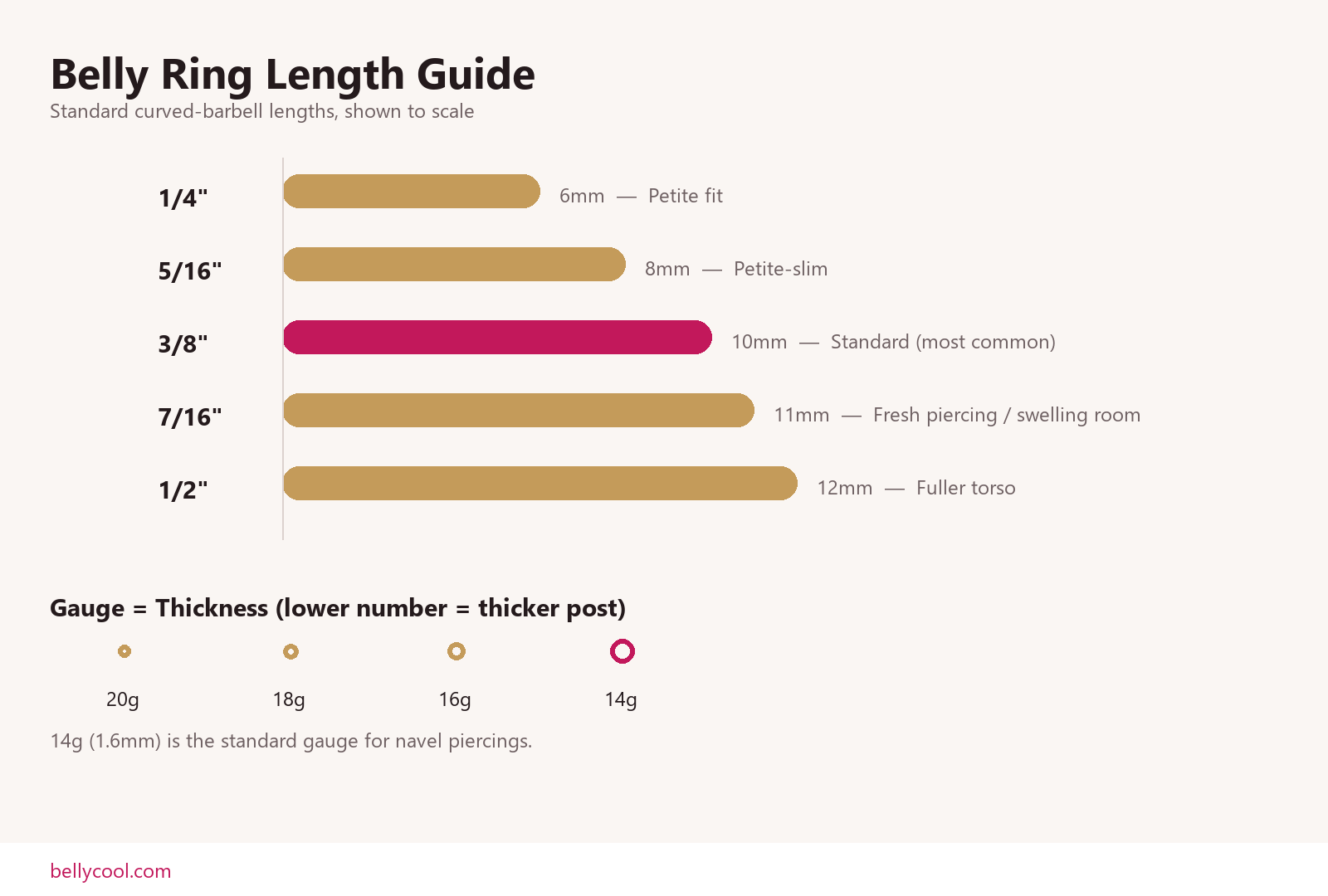
Here’s the part that confuses almost everyone the first time: gauge numbers work backwards. A lower gauge number means a thicker post, not a thinner one. So a 14g bar is noticeably thicker than an 18g bar, even though 18 is the bigger number.
Belly Ring Length Chart
Curved barbells (the classic banana-shaped bar most belly rings use) come in a handful of standard lengths. Here’s how they compare:
| Length | Metric | Best For |
|---|---|---|
| 1/4″ | 6mm | Petite or smaller frames |
| 5/16″ | 8mm | Petite-to-average builds |
| 3/8″ | 10mm | Standard — most healed piercings |
| 7/16″ | 11mm | Fresh piercings that still need swelling room |
| 1/2″ | 12mm | Fuller torsos or deeper-set navels |
If you’re not sure where to start, 3/8″ (10mm) is the length most healed navel piercings end up at, and it’s the safest default when you’re buying online without a way to measure first.
Understanding Gauge Thickness
Gauge is far more standardized than length. The vast majority of navel piercings are done at 14 gauge (1.6mm), and most people stay at that gauge for the life of the piercing.
| Gauge | Thickness | Common Use |
|---|---|---|
| 20g | 0.8mm | Nose, small earrings |
| 18g | 1.0mm | Nose, cartilage |
| 16g | 1.2mm | Cartilage, some navels |
| 14g | 1.6mm | Standard navel gauge |
Unless a piercer has specifically told you otherwise, assume your navel piercing is 14 gauge. It’s rare for a professional to use anything thinner for an initial piercing, since thinner posts are more prone to migration and irritation in a high-movement area like the navel.
How to Measure Your Own Belly Ring
If You Still Have Your Current Jewelry
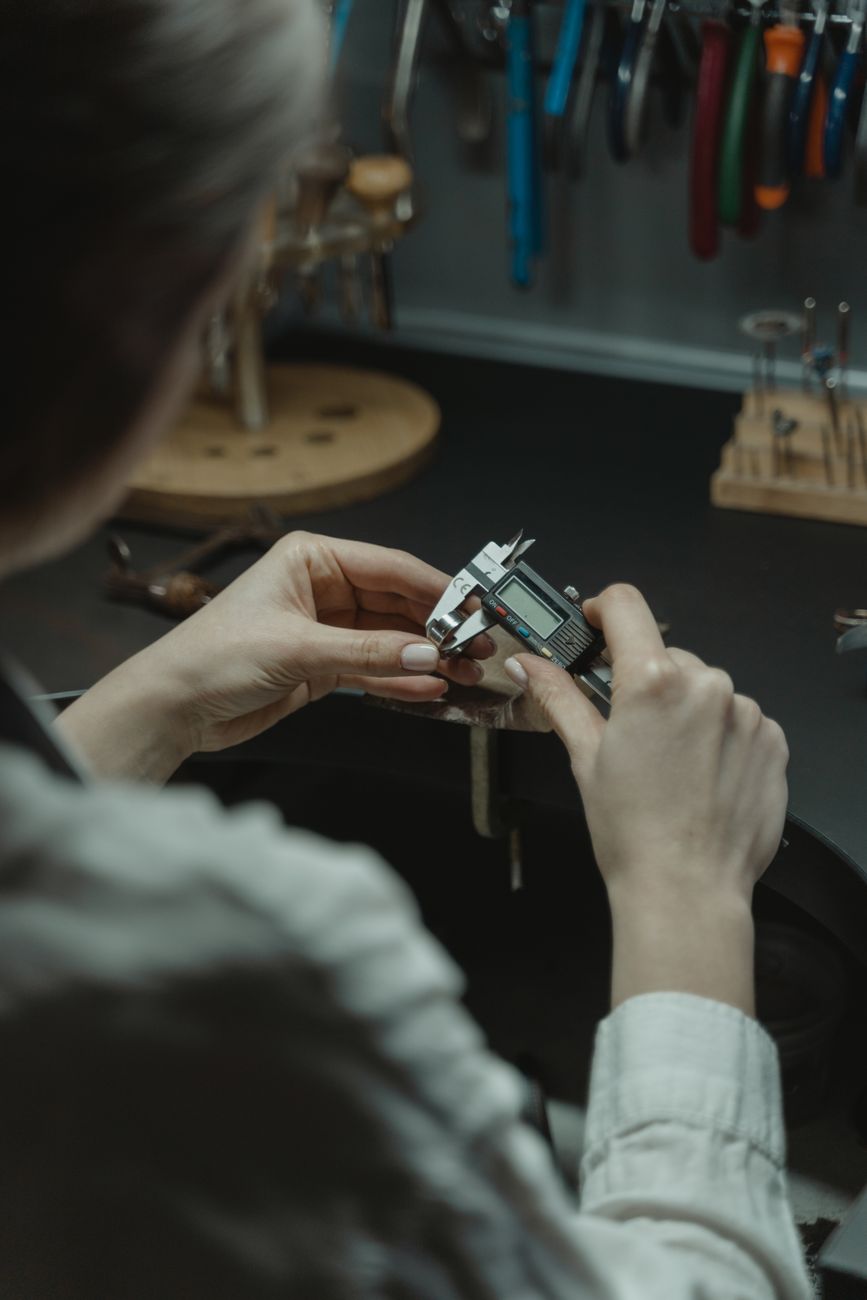
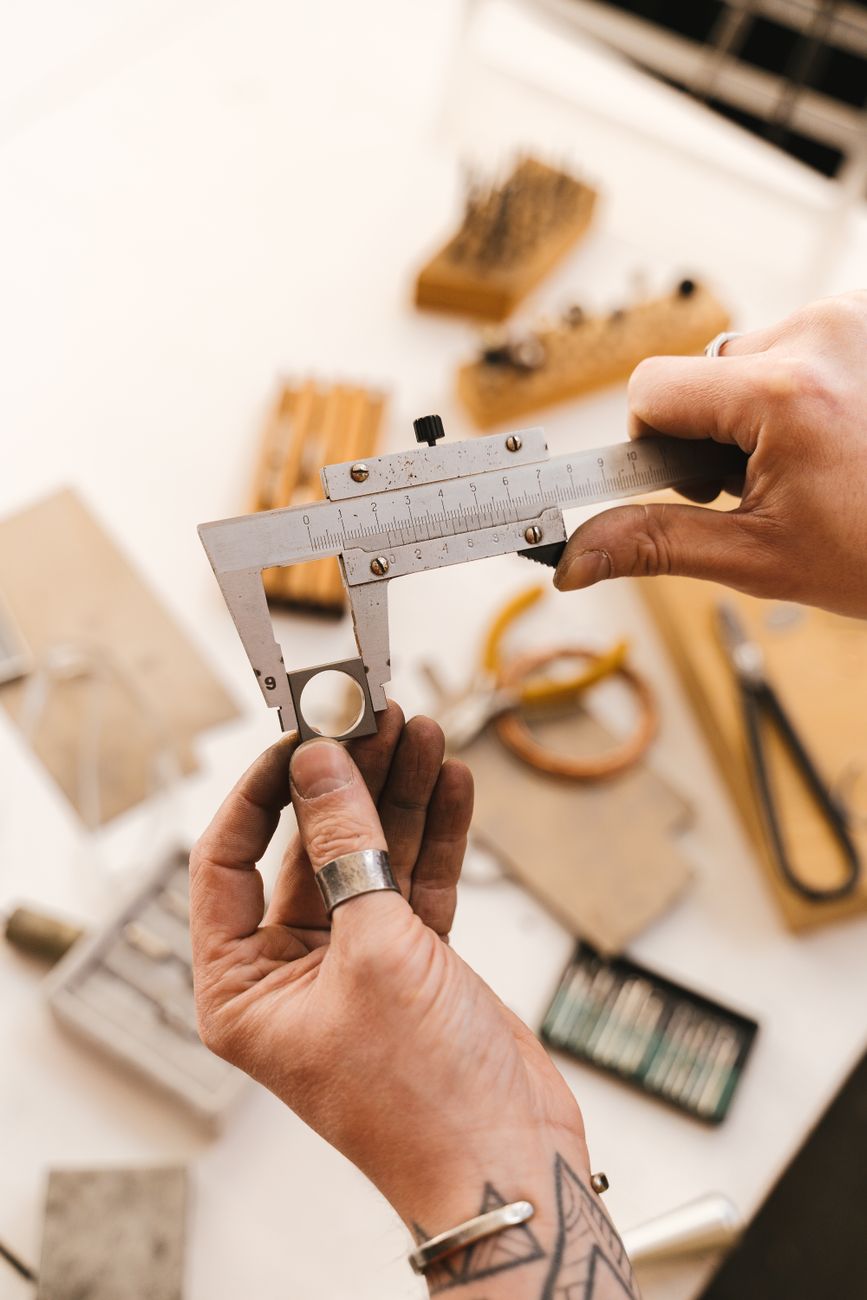
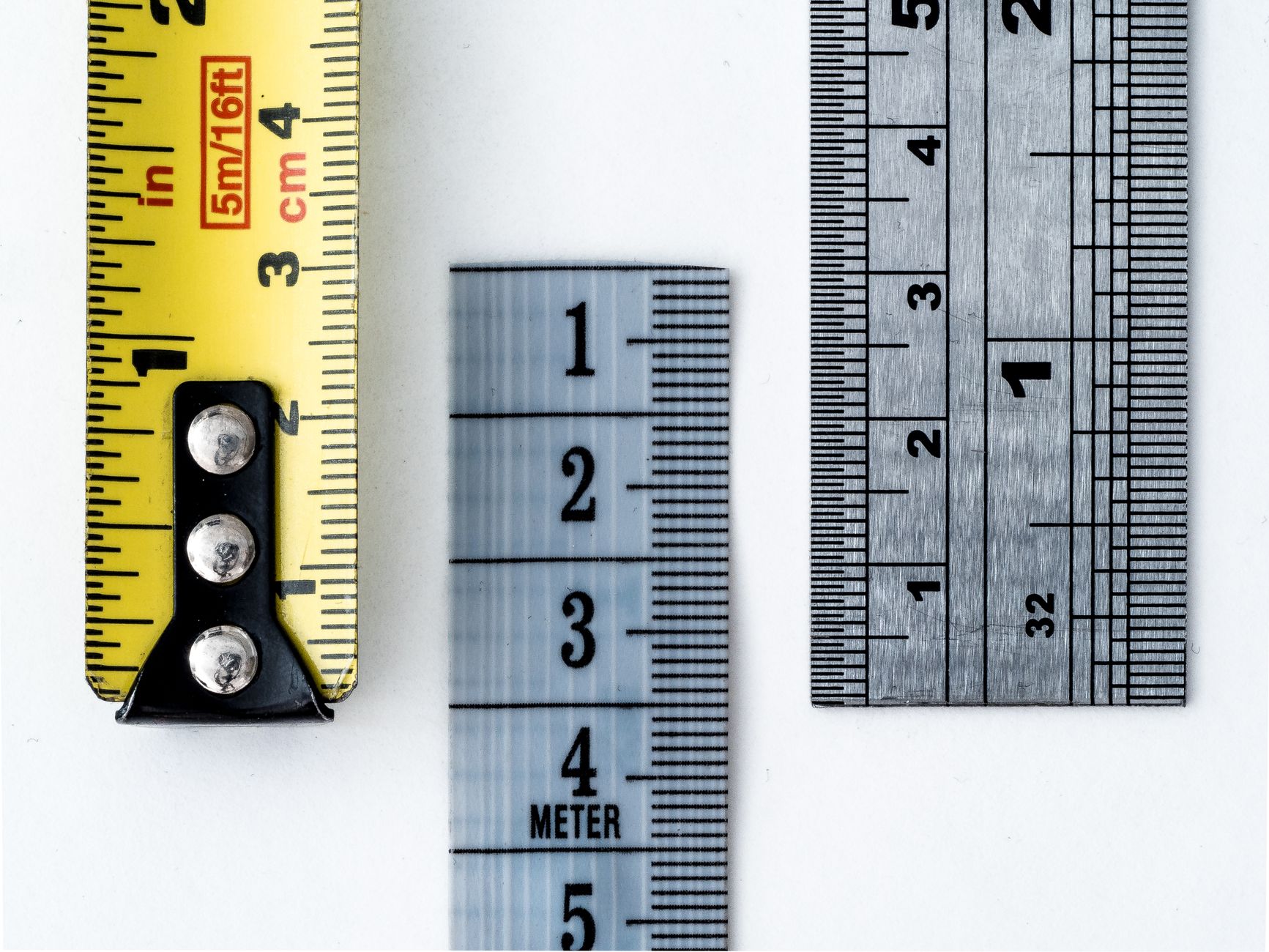
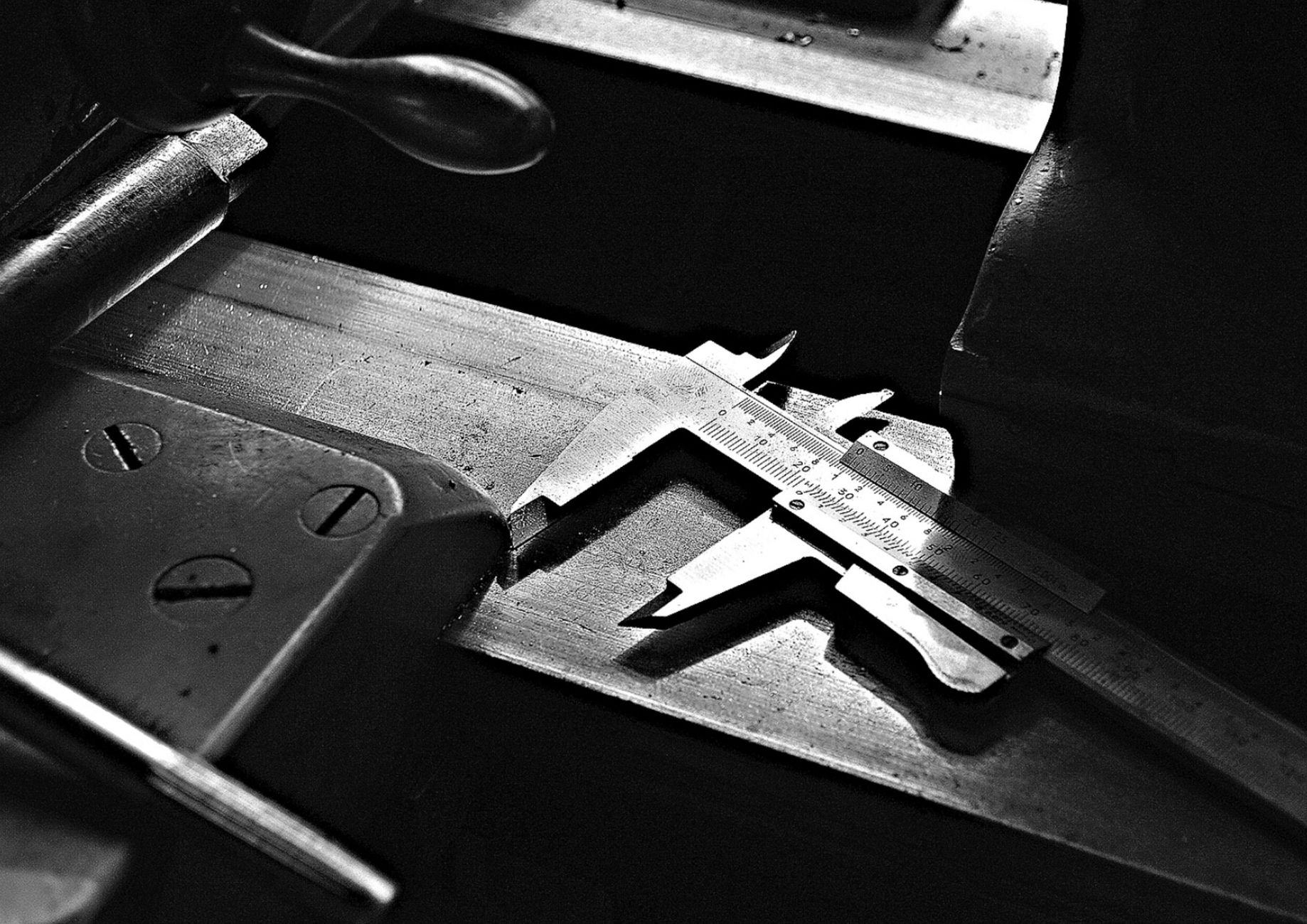
The most accurate way to check your size is to measure the jewelry you’re already wearing. A ruler works for a rough estimate, but a digital caliper gives you an exact reading you can match against the charts above — measure ball to ball for length, and the post width (not the balls) for gauge. No caliper on hand? Most piercing studios will measure a piece for you in a couple of minutes, even one you didn’t buy there.
If You Don’t Know Your Size at All
Without your original jewelry on hand, your safest bet is a professional measurement at a piercing studio, since guessing on gauge in particular can mean jewelry that’s uncomfortably tight or loose enough to migrate. Most people are 14g at standard 3/8″ length, so that’s a reasonable starting point if a professional check isn’t practical right now.
What a Professional Measurement Actually Involves
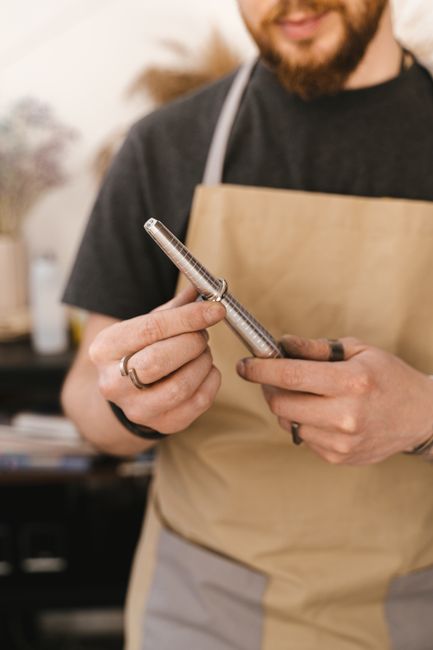
If you’ve never had jewelry professionally measured, the process is quicker than it sounds. A piercer will typically hold your current jewelry (or a sizing rod, for a fresh piercing) against a calibrated gauge and caliper, reading both the post thickness and the ball-to-ball length in seconds. There’s no need to remove anything beforehand or book a special appointment — most studios will do this on the spot, even for jewelry you didn’t buy there.
It’s worth getting an official measurement once and writing both numbers down somewhere you’ll find again, since a lot of buyers end up re-measuring from scratch after forgetting them months later.
Fresh Piercing vs. Healed Piercing Sizing
Sizing isn’t static over the life of a piercing. A brand-new navel piercing is usually fitted with a slightly longer bar — often 7/16″ instead of the standard 3/8″ — to leave room for the initial swelling that happens in the first few weeks.
According to the Association of Professional Piercers’ guidance on initial jewelry, that extra length is intentional and shouldn’t be swapped out too early. Once healing is complete — commonly six to twelve months for navels — most people size down to the shorter, closer-fitting standard length. Our belly piercing aftercare and healing timeline guide covers that window in detail.
Common Sizing Mistakes to Avoid
- Guessing gauge from length, or vice versa. They’re independent measurements, and getting one right doesn’t tell you the other.
- Downsizing too early. Swapping to a shorter bar before swelling has fully gone down can put pressure on the piercing.
- Ignoring persistent tightness or migration. If jewelry constantly feels tight, presses into skin, or the piercing seems to be shifting position, that’s worth a professional opinion rather than sizing up on your own.
- Buying by eye from product photos alone. Two rings can look identical online and still be completely different lengths — always check the listed measurements.
What to Consider When Shopping for a New Size
Once you know your gauge and length, material is the next decision worth spending time on, since it affects comfort as much as sizing does. Our gold vs. silver belly ring comparison walks through how each metal wears over time and which is gentler on sensitive skin.
Style is worth factoring in too — some current looks, like floating barbells with a flat inner base, sit differently than a classic dangle. Our 2026 belly ring trends guide is worth checking before you buy if you’re chasing a specific style.
It’s also worth buying from a size range rather than a single fixed length, since even a “standard” 3/8″ fit sometimes sits better at 5/16″ or 7/16″ depending on the design. Browsing a full belly button ring collection with sizing listed per style beats guessing from a single product photo.
Frequently Asked Questions
Most healed navel piercings use a 14 gauge post at 3/8″ (10mm) length. If you’re buying without an exact measurement, this combination is the safest default.
A ring that’s too short will look tight and may press into the skin above or below the piercing. One that’s too long will hang loosely, rotate more than it should, or dangle at an odd angle. Both are worth correcting rather than living with.
Once a piercing is fully healed, most people can swap jewelry themselves. If a piercing is still healing, still swollen, or you’re unsure of the healing stage, it’s worth getting a professional to check before changing anything.
Almost all navel piercings are 14 gauge, which is why most belly ring jewelry is made to that spec. Gauge only tends to vary if a piercer used something nonstandard for your specific piercing.
The navel sits on soft tissue rather than cartilage or bone, so noticeable weight changes can genuinely shift how a given length fits. It’s worth rechecking your measurements occasionally rather than assuming an old size still applies.
Final Thoughts
Belly ring sizing sounds more complicated than it actually is once you separate gauge from length and know where your own piercing falls on each scale. Measure what you have, check it against the charts above, and you’ll be able to shop for new styles with actual confidence instead of guesswork.
Buying for someone else? Our belly ring gift guide covers sizing when you can’t ask directly. And gauge and length are only half the picture — our curved barbell vs. captive bead ring comparison covers which jewelry mechanism fits your piercing’s stage of healing.