Getting your first belly button piercing involves a lot more upfront research than most people expect, mostly because the internet is full of conflicting advice about pain, healing time, and jewelry. Here’s the version that actually matters: what a reputable piercing appointment looks like, what to expect physically, and what happens in the weeks after — without the exaggeration in either direction.
Finding a Reputable Piercer
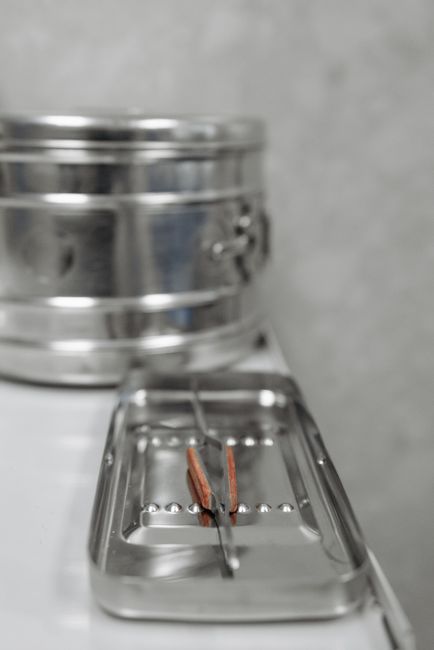
The single biggest factor in how your piercing heals isn’t your aftercare routine — it’s who does the piercing. A good studio will happily answer questions about sterilization before you’re anywhere near the piercing chair, and won’t get defensive if you ask to see their setup.
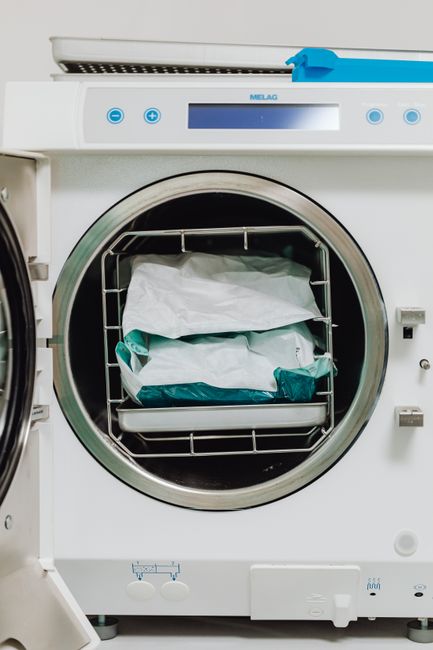
Look for a studio that uses a single-use, sterile needle (not a piercing gun, which can’t be properly sterilized and crushes tissue rather than making a clean puncture), an autoclave for sterilizing reusable tools, and jewelry that’s pre-packaged and sterile until it’s opened in front of you. A licensed piercer should also be comfortable discussing their experience level with navel piercings specifically, since anatomy varies enough that it’s not identical to piercing an ear or nose.
What Actually Happens During the Piercing
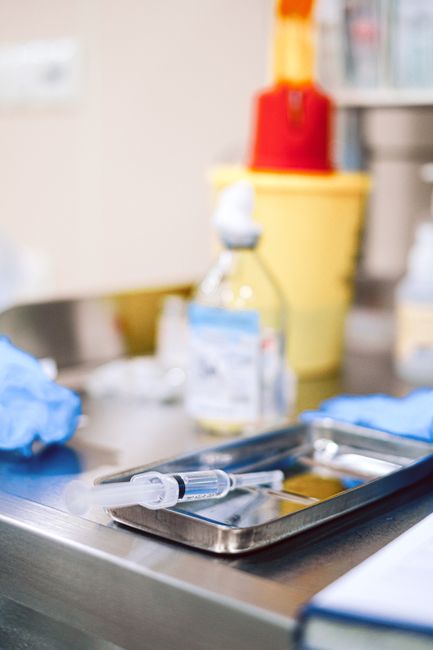
The appointment itself is short. Your piercer will clean the area, mark the exact placement with a sterile pen for your approval, then use a hollow needle to create the piercing in a single motion before threading the jewelry through immediately behind it. The whole process, start to finish, usually takes under five minutes once the placement is marked and approved.
How Much Does It Actually Hurt?

Most people describe it as a sharp pinch followed by a dull pressure, lasting only a few seconds, rather than a sustained pain. It’s more sensation than most ear piercings but less than people expect going in, largely because anticipation tends to be worse than the actual moment. Some mild soreness, tenderness to touch, and light swelling for the first few days afterward is completely normal.
What Should It Cost?
Pricing varies by region and studio, but a navel piercing typically runs somewhere between $30 and $80 for the piercing service itself, with jewelry sometimes included and sometimes priced separately depending on the studio. Treat an unusually low price as a reason to ask more questions rather than a reason to book immediately — sterilization equipment, single-use needles, and quality starter jewelry all cost the studio money, and a price far below the local average is sometimes a sign that corners are being cut somewhere in that chain.
It’s also worth asking whether aftercare products or a follow-up check-in are included, since some studios build that into the price while others charge separately or leave you to source your own saline.
Your First Piece of Jewelry
Your piercer will almost certainly use a 14 gauge curved barbell at 7/16″ length — longer than the 3/8″ you’ll likely settle into once healed — to leave room for initial swelling. Our belly ring size guide covers exactly how gauge and length work if you want to understand the numbers before your appointment rather than after.
Material matters just as much as size for a first piercing. Implant-grade titanium or niobium are the safest starting choices, since a new piercing is more reactive than a healed one and this isn’t the moment to test a metal you’re unsure about. If you already know you have sensitive skin, our guide to hypoallergenic materials is worth reading before you’re sitting in the chair, not after.
What to Expect in the First Few Weeks
Surface healing — where the outer skin looks closed and normal — typically happens within six to eight weeks. Full internal healing takes considerably longer, commonly six to twelve months, which is why piercers consistently push back against changing jewelry early even once things look fine on the surface. Our full belly piercing aftercare and healing timeline guide walks through the cleaning routine and healing stages in detail.
Clothing matters more than people expect during this stretch. A navel piercing sits exactly where waistbands sit, so loose, low-rise, or soft-waisted clothing for the first several weeks makes a real difference in avoiding irritation from constant rubbing or pressure. It’s a small adjustment, but skipping it is one of the more common ways healing gets needlessly prolonged.
Normal Healing vs. Warning Signs
| Symptom | Normal Healing | Worth a Doctor’s Visit |
|---|---|---|
| Redness | Mild, right at the piercing, fades over days | Spreading outward or not improving after 3+ days |
| Discharge | Clear or slightly white, small amount | Thick yellow or green pus |
| Pain | Mild, easing within the first week | Increasing after the first week, or throbbing |
| Swelling | Slight, mostly gone within a few days | Warm to the touch, or paired with fever |
According to Cleveland Clinic’s overview of piercing infections, genuine infections involve symptoms that get worse rather than better over time, which is the key distinction from normal healing irritation that gradually improves on its own. If anything in the right-hand column applies to you, it’s worth a same-week conversation with your piercer or a doctor rather than waiting to see if it resolves.
When You Can Finally Change It
Once you’ve hit that six-to-twelve-month healing mark and things genuinely feel normal — no tenderness, no discharge, jewelry moves freely without resistance — you’re clear to explore new styles. Our guide to changing a belly ring covers the actual swap process step by step, and our 2026 belly ring trends roundup is a good place to start if you’re ready for something more current than your original starter jewelry. If you’re also deciding between jewelry styles, our curved barbell vs. captive bead ring comparison explains why your piercer started you on a barbell and when a ring style becomes an option.
Frequently Asked Questions
How long does a belly button piercing appointment actually take?
The piercing itself takes only a few minutes once placement is marked and approved. Including consultation and paperwork, most first appointments run 15 to 30 minutes total.
Can I switch to a piercing gun if I’m nervous about needles?
No reputable piercer will use a gun for a navel piercing. Needles allow for a cleaner, more precise puncture and can be properly sterilized, while guns can’t be sterilized between uses and cause more tissue trauma.
Is it normal for my belly ring to look crooked right after piercing?
Some initial asymmetry from swelling is normal and often settles as swelling goes down. If it still looks off once healing is complete, it’s worth having your piercer take a look rather than assuming it will self-correct.
Do I need to buy my own jewelry for the initial piercing?
No — reputable studios include appropriate starter jewelry as part of the piercing itself, sized and chosen for a fresh piercing. Buying your own jewelry is worth doing once you’re ready to size down after healing.
What’s the most common reason first-time piercings don’t heal well?
Changing jewelry too early is the most common issue, followed closely by wearing tight waistbands that constantly irritate the area during the first several weeks.
Should I take my new piercing out if it’s bothering me?
Generally no, especially early on. Removing jewelry from an unhealed piercing can let the opening start closing within hours, which then traps whatever was causing the irritation inside a partially sealed channel. It’s almost always better to address the actual cause — a snagging waistband, an allergic reaction, an infection — than to remove the jewelry and hope the piercing waits for you.
Final Thoughts
A first belly button piercing is far more routine than the more dramatic stories online suggest, as long as it’s done by a reputable piercer with proper sterile technique. Ask questions before you sit down, expect a quick pinch rather than lasting pain, and give the healing timeline the patience it actually needs — the rest tends to take care of itself.
Leave a Reply