
🚚 FREE SHIPPING ON ORDERS OVER $50 15% OFF YOUR FIRST ORDER | Use Code: BELLY15 🎁 WORLDWIDE SHIPPING

Category: Jewelry Guide

  • Gold vs Silver Belly Rings – Which is Right for You?

    Gold vs Silver Belly Rings – Which is Right for You?

    Gold and silver both look great, but they behave pretty differently on the body, and the right choice depends on your skin, your budget, and whether your piercing is brand new or fully healed.

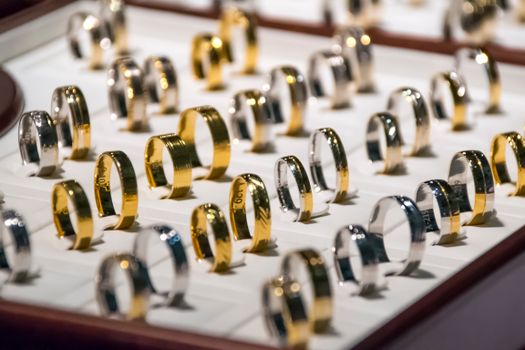
    Stylish collection of gold rings displayed on a reflective surface

    Sterling Silver

    Sterling silver (marked 925) is the more affordable option and has a classic, cool-toned shine. The tradeoff is that it can tarnish over time, especially with regular exposure to lotion, perfume, sweat, or humid air — a quick polish with a silver cloth usually brings the shine right back. Because sterling silver is an alloy, it’s also worth checking that a piece is nickel-free if you have sensitive skin. Our hypoallergenic materials guide covers exactly what to look for on the label.

    Close-up of a jeweler polishing a silver chain with a tool

    Gold (Solid vs. Plated)

    Solid gold (typically 10k, 14k, or 18k) resists tarnish far better than silver and tends to be gentler on sensitive skin, especially at higher karats. Gold-plated jewelry gives you the look for less, but the plating is a thin layer over a base metal and will wear thin with regular contact and moisture — how long it lasts really depends on the thickness of the plating and how often it’s worn.

    Rose Gold: A Third Option

    Stylish rose gold jewelry set displayed on a white surface

    Rose gold is standard yellow gold alloyed with a higher proportion of copper, which gives it that warm, pinkish tone. It wears similarly to regular solid gold in terms of durability and skin tolerance, since the karat rating still describes how much pure gold is present — the copper is what shifts the color, not the durability. It’s worth checking with the seller if you’re highly copper-sensitive, though this is far less common than a nickel sensitivity.

    Rose gold also tends to photograph a little differently than yellow or white gold, picking up warmer undertones in natural light, which is part of why it’s become such a popular choice for pieces meant to be seen in photos as much as in person. If you like the idea of gold’s durability but want something that reads as slightly less traditional than classic yellow, it’s worth trying before committing to yellow or white.

    Mixing Metals Instead of Choosing One

    Close-up of hands displaying elegant gold and silver bracelets

    You don’t actually have to pick a single metal and stick with it. Deliberately combining gold and silver pieces has become one of the more popular approaches in jewelry generally, and belly rings are a low-commitment place to try it — wear a silver piece one day and a gold one the next without needing either to match your other jewelry. Our 2026 belly ring trends roundup covers this in more depth if you want to see how it’s being styled right now.

    Which Metal Suits Your Skin Tone?

    Detailed close-up of a beaded gemstone necklace

    As a loose guideline, warmer undertones tend to be flattered by gold and rose gold, while cooler undertones often lean toward silver and white metals — check the underside of your wrist; if your veins look more green, you likely lean warm, and if they look more blue, you likely lean cool. This is a starting point rather than a rule, though, and mixed-metal styling has made the distinction matter less than it used to.

    What Actually Matters for a New Piercing

    Here’s the part that surprises a lot of people: for a fresh or still-healing navel piercing, most professional piercers don’t recommend starting with gold or silver at all. Softer precious metals can be more porous at a microscopic level and are generally considered less ideal for healing tissue than implant-grade titanium, niobium, or ASTM F138 surgical steel, which are the materials piercing professionals typically recommend for initial jewelry. Gold and silver are a great choice once a piercing is fully healed and you’re swapping in jewelry for style rather than for the initial healing period. Our guide to getting your first belly button piercing covers what that initial jewelry looks like in more detail.

    If you’re unsure whether your piercing has fully healed, a piercer can check in person — healing time varies a lot from person to person, and our aftercare and healing timeline guide covers what each stage typically looks like.

    Does Solid Gold Actually Hold Its Value?

    It’s a fair question if you’re weighing whether solid gold is worth the extra cost over plated or silver. According to Empower’s overview of jewelry as an investment, gold jewelry can hold value better than plated pieces, but retail prices include design and labor costs that resale offers typically don’t account for, so it’s best thought of as a wearable purchase rather than a financial one. Higher-karat gold (18k and above) tends to hold value more consistently than lower-karat pieces, mainly because there’s simply more actual gold content in the metal.

    For a belly ring specifically, that means the honest case for solid gold is comfort and longevity — it won’t tarnish, it’s gentler on skin, and it’ll outlast plated jewelry by years — rather than treating it as a way to grow your money.

    Care and Maintenance Compared

    Close-up of a craftsman polishing a silver ring
    Metal Tarnish Resistance Typical Cost Best For
    Sterling silverModerate — needs occasional polishing$Everyday wear on a budget
    Gold-platedLow — wears through with contact$Occasional wear, not daily
    Solid gold (10k–14k)High$$$Long-term daily wear
    Solid gold (18k+)Very high$$$$Sensitive skin, long-term wear

    Frequently Asked Questions

    Can I switch between gold and silver belly rings without any issue?

    Yes, as long as your piercing is fully healed and both pieces are made from skin-safe materials. Switching metals on a healed piercing is purely a style choice.

    Does rose gold tarnish like silver does?

    No — rose gold behaves like regular solid gold in terms of tarnish resistance, since the karat rating (not the color) determines durability.

    Is white gold the same as silver?

    No. White gold is gold alloyed with white metals and often rhodium-plated for extra shine, while silver is a completely different base metal. White gold generally resists tarnish better than silver but the plating can wear over time, similar to gold plating.

    What’s the most budget-friendly option that still looks nice?

    Sterling silver offers the best balance of appearance and price for most people, as long as you’re comfortable with occasional polishing to maintain the shine.

    Should I buy gold or silver first if I’m building a small collection?

    Start with whichever metal you already wear most in your other jewelry, so your new belly ring pairs naturally with pieces you own rather than needing a whole new palette.

    Is 14k or 18k gold better for a belly ring?

    Both are good choices. 18k contains more pure gold, so it’s slightly softer and marginally better for sensitive skin, while 14k is more affordable and a bit more durable for daily wear. Neither is objectively “better” — it comes down to budget and how sensitive your skin is.

    Final Thoughts

    Once a piercing is healed, gold versus silver really is just a style and budget decision — both are safe, attractive choices, and mixing them is more accepted than ever. If you’re still healing, save the precious metals for later and stick with titanium or surgical steel in the meantime.

    Shopping for someone else rather than yourself? Our belly ring gift guide covers how to pick between gold and silver as a gift specifically, along with sizing and budget tips.